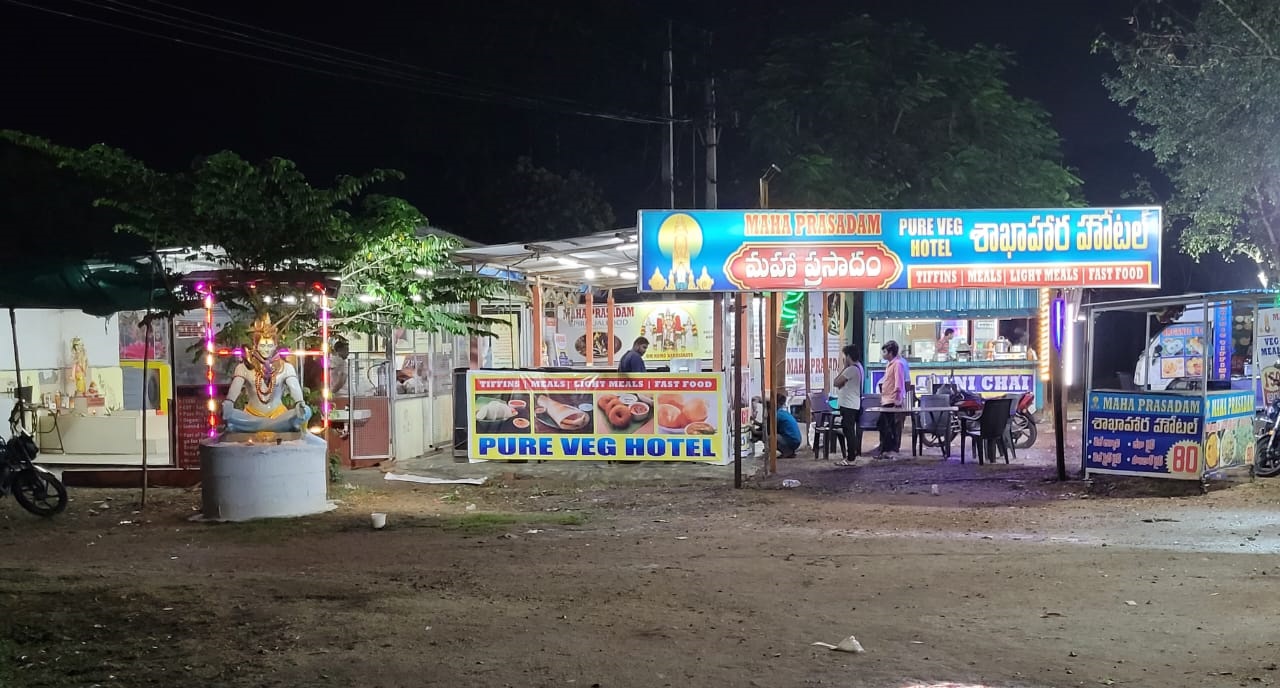
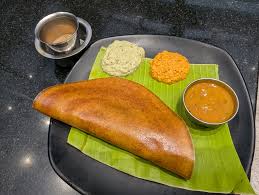
Dosa, the iconic South Indian crepe, is a breakfast legend and one of the most loved dishes across India and beyond—especially here in Hyderabad, where you can find crispy, golden versions at every street corner, darshini, or fine restaurant. Made from a fermented batter of rice and urad dal (black gram), it’s spread thin on a hot tawa, cooked to perfection with a light brush of oil or ghee, and served rolled or folded with coconut chutney, tomato chutney, sambar, and sometimes a spicy podi or potato masala filling. The contrast is irresistible: ultra-crispy edges, soft and airy center, mildly tangy flavor from fermentation, and endless varieties like plain, masala, Mysore, rava, onion, or even millet-based healthier twists. Whether it’s a quick morning fix, a weekend family brunch, or a late-night craving, dosa never disappoints—it’s comforting, flavorful, and surprisingly wholesome.
please give a very good text about gunta ponganaluand describing the advantages of having it
- Naturally fermented for superior digestion — The overnight fermentation develops natural probiotics (beneficial bacteria) and enzymes that make the batter easier to digest, reduce bloating, support gut health, and improve nutrient absorption. Even though high heat kills live probiotics during cooking, the pre-fermentation breaks down anti-nutrients like phytic acid, boosting bioavailability of iron, calcium, and other minerals.
- Balanced complete protein source — The combo of rice (carbs) and urad dal (protein) provides all essential amino acids when eaten together—ideal for vegetarians. A typical serving delivers good plant-based protein to support muscle repair, energy, and fullness.
- Low in fat and calories when prepared traditionally — Plain or lightly brushed dosas use minimal oil compared to deep-fried snacks, keeping them heart-friendly and lighter (around 150–250 kcal per dosa depending on size and toppings), making them great for weight management.
- Gluten-free by nature — No wheat means it’s safe and enjoyable for those with gluten sensitivity or celiac disease.
- Moderate glycemic impact for better blood sugar control — Fermentation lowers the glycemic index compared to plain rice or white bread, helping maintain steadier energy levels—especially helpful when made with millets, ragi, or oats for an even gentler effect.
- Rich in essential nutrients — Packed with B vitamins (for energy and nerve health), iron (to fight anemia), magnesium (for muscle relaxation), and fiber from lentils—plus you can boost it further with vegetable fillings or nutrient-dense sides like sambar (lentils + veggies).
- Highly versatile and customizable — Stuff it with mashed potatoes, paneer, veggies, or go super healthy with quinoa/millet batter. Pairing with protein-rich sambar or chutney turns it into a complete, satisfying meal any time of day.
In essence, dosa isn’t just delicious—it’s a traditional superfood that blends taste, convenience, and genuine health perks. In a city like Hyderabad where dosa culture thrives, it’s the perfect go-to for a nourishing start (or restart) to your day. Whip up a batch at home or grab one from your favorite spot soon—you’ll taste why it’s been winning hearts for generations.