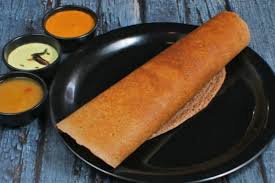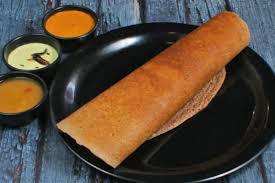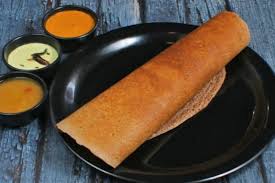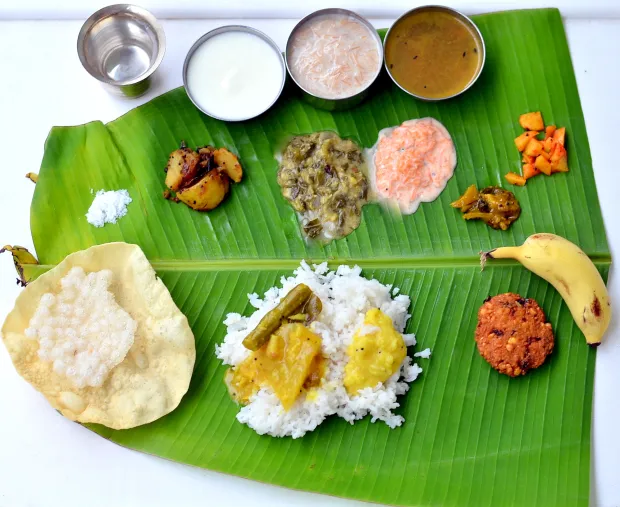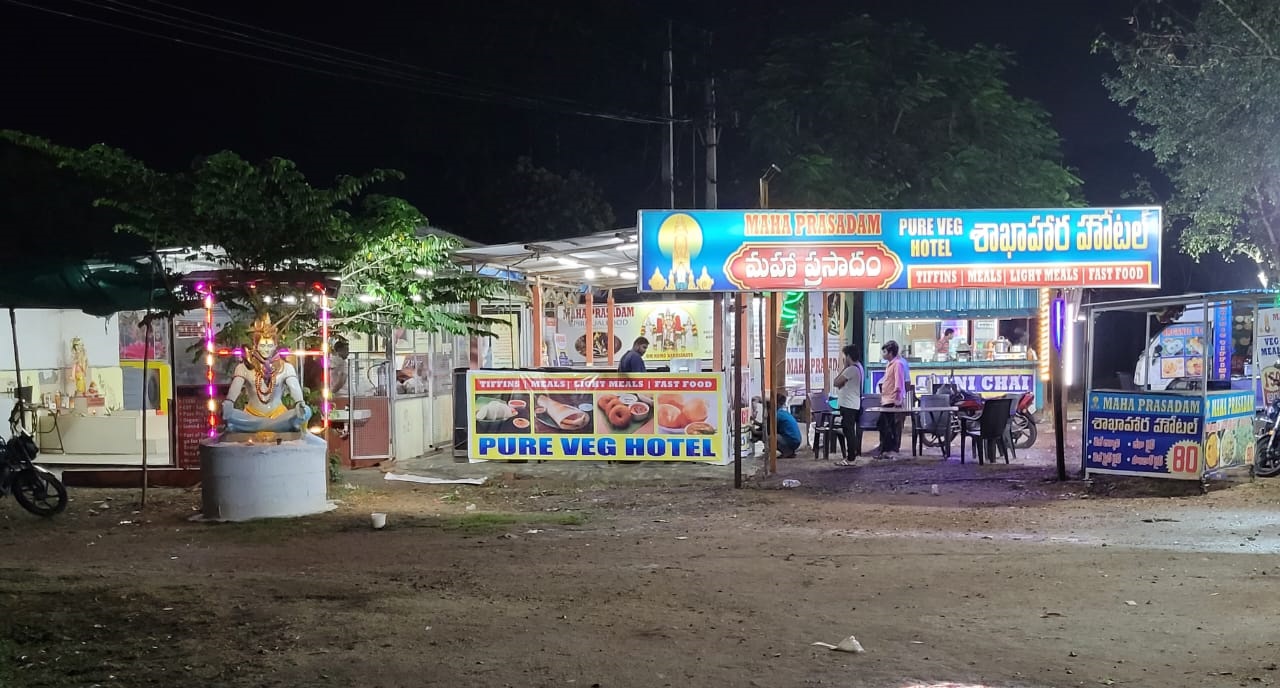
Dosa at Maha Prasadam at Narketpally

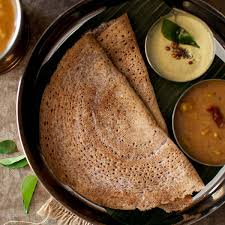
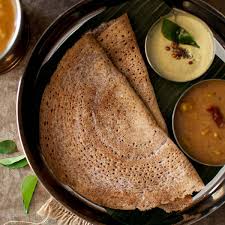
Dosa is a popular South Indian fermented crepe (or pancake) made primarily from a batter of rice and urad dal (black gram lentils), often with fenugreek seeds. It is thin, crispy on the outside, and soft inside, traditionally served with coconut chutney, sambar, or potato masala (in masala dosa).

Basic Nutritional Profile (Approximate, per plain dosa serving)

  • Calories: 100–150 for a standard plain dosa (can vary; restaurant versions with oil/butter or masala can go higher, up to 300–600+).
  • Macros: High in carbohydrates (around 65%), moderate protein (12%), and lower fat (23% or less if prepared with minimal oil).
  • Key nutrients: B vitamins (B1, B2, B3, B6), iron, calcium, magnesium, and some dietary fiber. The rice + urad dal combo provides a good balance of amino acids.

Main Advantages and Health Benefits of Dosa

Dosa stands out as a nutritious, everyday food due to its preparation and ingredients:

  1. Fermentation Benefits The overnight fermentation of the batter (thanks to lactic acid bacteria and yeasts) breaks down anti-nutrients like phytic acid. This improves the bioavailability of minerals (iron and calcium), making them easier for the body to absorb. It also produces natural probiotics that support gut health, digestion, and immunity. Fermentation predigests the batter, so dosa is light on the stomach and easy to digest—ideal for all ages, including kids, elderly, or those recovering from illness.
  2. Complete Protein Source Rice (carbs) + urad dal (protein) together supply all essential amino acids, especially when paired with sambar (lentil-based). This makes it a solid vegetarian/vegan protein option for muscle maintenance and satiety.
  3. Low in Fat and Calories (When Prepared Right) Traditional plain dosa uses very little oil. It’s lighter than many fried Indian snacks or Western breakfasts like pancakes with syrup. Home-made versions with minimal oil or ghee keep it heart-healthy.
  4. Gluten-Free and Versatile Naturally gluten-free, so it’s suitable for those with celiac disease or gluten sensitivity. You can customize it endlessly (see varieties below).
  5. Sustained Energy and Blood Sugar Management Fermentation lowers the glycemic impact compared to unfermented rice dishes. It provides complex carbs for steady energy without a heavy spike (though portion control matters for diabetics). Rich in B vitamins for energy metabolism.
  6. Additional Perks
    • Supports digestion and gut flora via probiotics and lactic acid.
    • Can include fenugreek, which adds phytonutrients.
    • Affordable, quick to cook once batter is ready, and filling without heaviness.

Tips to Maximize Benefits

Store-bought instant mixes or restaurant versions may have more oil/salt—home-made is usually superior.

Prepare at home with minimal oil for lower calories.

Pair with vegetable sambar and fresh chutneys (coconut, tomato, or mint) for more protein, fiber, and vitamins.

Control portions if watching carbs or calories—1–2 dosas with sides make a balanced meal.

For weight loss: Opt for plain or millet versions over buttery masala ones; it’s often better than oily parathas or poori.
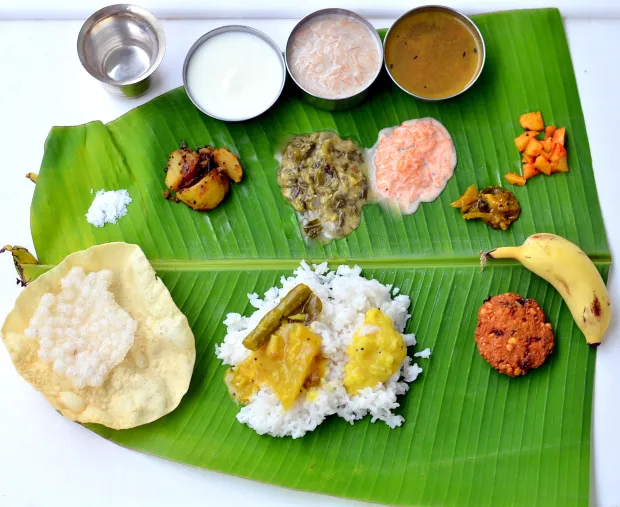
Lunch at Maha Prasadam at Narketpally

Lunch is the midday meal that bridges breakfast and dinner, typically eaten between 12 PM and 2 PM. It replenishes energy after morning activities and sustains you through the afternoon. Skipping it often leads to fatigue, poor focus, irritability, and overeating later. A balanced lunch provides essential nutrients, stabilizes blood sugar, and supports overall well-being.

Key Advantages of Eating Lunch

Here are the main benefits, backed by health insights:

  1. Boosts Energy and Prevents Afternoon Slump Lunch raises blood sugar levels and supplies glucose to the brain and body, helping you stay energized and alert in the afternoon. Without it, many people experience fatigue or a “post-lunch dip” (even if caused more by skipping than the meal itself). A nutritious lunch can reduce afternoon fatigue by 20–30%.
  2. Improves Concentration, Focus, and Productivity Nutrients from lunch (especially carbohydrates for quick energy and proteins/fats for sustained release) support cognitive function, memory, and problem-solving. Employees or students who eat a proper lunch often report better focus, higher productivity (up to 20-25% in some studies), and improved performance. It also aids mood regulation and reduces stress.
  3. Supports Weight Management and Metabolism Eating lunch regularly keeps your metabolism active. Skipping meals can lead to slower metabolism and higher tendency to overeat later or choose unhealthy snacks. A balanced lunch helps regulate appetite and prevents excessive hunger.
  4. Better Blood Sugar Control and Overall Health Regular lunch helps stabilize blood sugar, supports digestion, boosts immunity, and provides essential vitamins, minerals, fiber, proteins, and healthy fats. Over time, this contributes to lower risk of issues like type 2 diabetes, heart disease, and fatigue-related problems. It also promotes better nutrient intake throughout the day.
  5. Mental and Social Benefits Lunch offers a mental break to recharge, reduce stress, and improve mood. It can also be a time for social connection—with family, friends, or colleagues—which builds relationships and enhances well-being. Taking a proper break (not eating at your desk) often leads to feeling more refreshed and satisfied with work or daily tasks.

Tips for a Healthy Lunch (Especially in India)

Aim for a balanced plate: complex carbs (like rice, roti, or millets), proteins (dal, paneer, eggs, chicken, fish, or legumes), vegetables, and a bit of healthy fat (ghee, nuts, or curd). Keep it moderate in portion to avoid heaviness.

Popular healthy Indian lunch ideas:

  • Dal-rice or roti with sabzi (vegetable curry), salad, and curd/yogurt.
  • Rajma chawal (kidney beans with rice) or chole with roti.
  • Vegetable pulao/biryani with raita and a side salad.
  • Paratha (stuffed with veggies or paneer) paired with yogurt and pickle.
  • Simple options: Khichdi with veggies, sprouts salad, or aloo gobi with roti.

Include plenty of vegetables and fiber for better satiety and digestion. Hydrate well and try to step away from work/screens for a short break.

In short, lunch isn’t just fuel—it’s an investment in your energy, focus, health, and even social life for the rest of the day. Make it a habit with wholesome, home-style meals, and you’ll likely notice the difference in how you feel by evening! If you’re in Hyderabad, local options like simple Telugu-style meals (rice, dal, ghee, and seasonal veggies) work great too.

Vada at Maha Prasadam at Narketpally

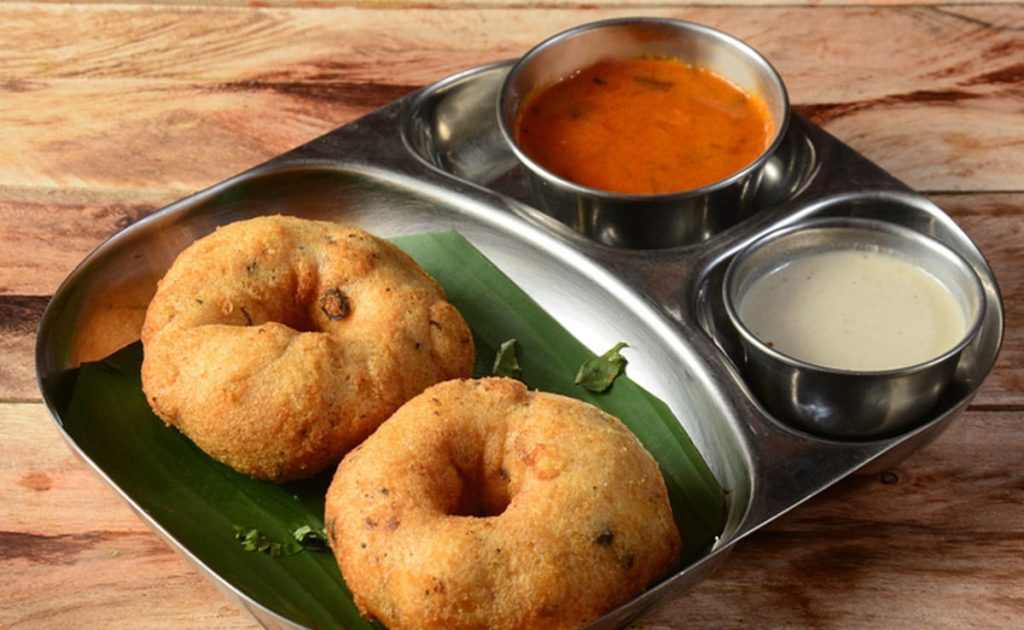
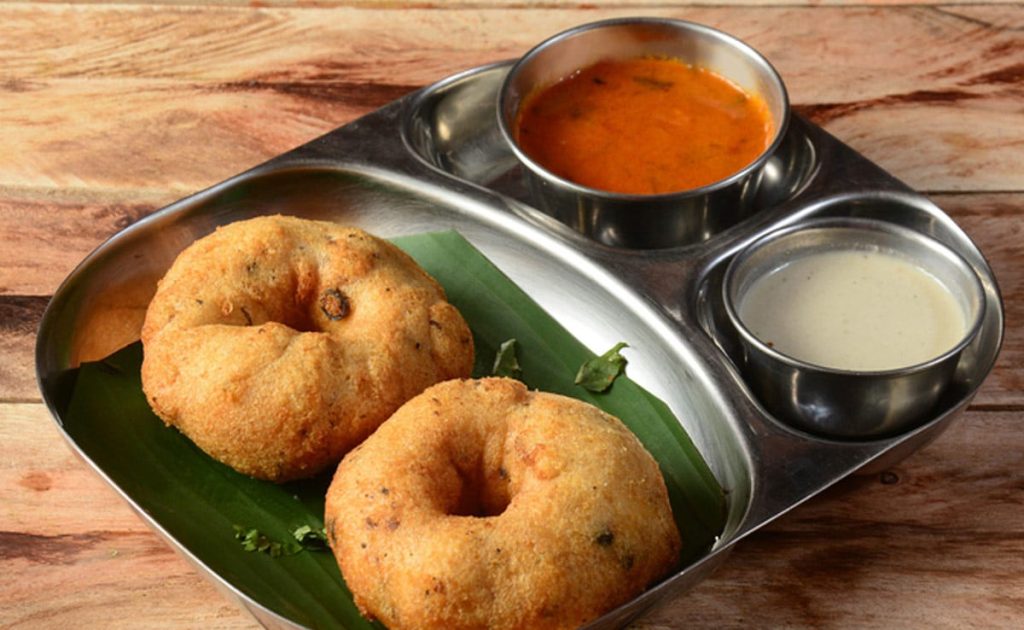
Vada (also called Medu Vada, Ulundhu Vadai, Uddina Vade, or Garelu) is a popular South Indian savory snack or breakfast item. It looks like a crispy doughnut with a hole in the middle and is made primarily from urad dal (black gram lentils).

The batter is soaked, ground (often with spices like green chilies, ginger, curry leaves, cumin, and black pepper), fermented slightly, shaped, and deep-fried until golden and crunchy outside but soft inside. It is typically served hot with sambar, coconut chutney, or sometimes in variants like dahi vada (soaked in spiced yogurt).

Main Types of Vada

  • Medu Vada — The classic soft, fluffy South Indian version from urad dal (most common in Tamil Nadu, Karnataka, Andhra, Telangana, etc.).
  • Masala Vada or Dal Vada — Made with chana dal or mixed lentils, spicier and flatter.
  • Batata Vada — Potato-based, famous in Maharashtra (often in Vada Pav with a bun).
  • Others include sabudana vada, keerai vada (with spinach), etc.

The query most likely refers to the classic Medu Vada.

Nutritional Profile (Approximate per one medium Medu Vada, ~60-70g)

  • Calories: 100–190 kcal (varies with size and oil absorption).
  • Protein: 4–6g (good plant-based source from urad dal).
  • Carbs: 9–18g.
  • Fat: 7–11g (mostly from frying oil).
  • Fiber: 2–5g.
  • Other nutrients: Iron (~1.8mg), folate, B-vitamins, calcium, magnesium, potassium.

Advantages / Health Benefits of Medu Vada

Medu Vada gets many of its benefits from urad dal and the fermentation process:

  1. Plant-based protein — Helps with muscle repair, satiety (keeps you full longer), and provides steady energy. Good vegetarian option.
  2. Digestive support — Fermentation creates probiotics that benefit gut health. Fiber aids bowel movement and regularity.
  3. Rich in minerals — Iron helps prevent anemia and supports oxygen transport. Magnesium, potassium, and calcium support bones, nerves, immunity, and heart health.
  4. B-vitamins and folate — Aid energy metabolism, nervous system, and cell growth (beneficial for pregnant women and kids).
  5. Lower glycemic impact than rice-based items — Dal has a lower GI than rice; the fat from frying can further moderate blood sugar spikes when eaten with sambar (better than plain idli for some people in terms of sugar response).
  6. Traditional Ayurvedic view — Considered balancing for Vata, nourishing, energizing, and supportive of strength and virility when prepared properly and eaten with suitable sides.
  7. Satisfying comfort food — Crispy texture and spices make it flavorful and filling as a breakfast or snack.

When paired with sambar (lentils + vegetables + spices) and chutney, it becomes a more balanced meal with added antioxidants and veggies.

Tip for healthier version: Use less oil, air-fry or bake instead of deep-frying, or make it in an appe pan (minimal oil) to cut calories significantly (up to 60-80% less fat).

Disadvantages / Things to Watch

  • High in calories and fat due to deep-frying — One vada can absorb a lot of oil, making it calorie-dense. Daily or excessive consumption may contribute to weight gain.
  • Not ideal for frequent eating if you have high cholesterol, heart concerns, or are on a strict weight-loss plan (reused frying oil can form trans fats or harmful compounds).
  • Can feel heavy on digestion if overeaten or if the batter isn’t well-fermented.
  • Compared to steamed items like idli, it has more fat and calories.

Moderation is key — Enjoy 1–2 vadas occasionally (e.g., once or twice a week) as part of a balanced meal rather than daily. People with diabetes or weight goals often prefer idli over vada or limit portions.

In Hyderabad (your area), you’ll find excellent Medu Vada with sambar at South Indian restaurants, tiffin centers, or even street spots — often as part of an idli-vada combo.

Vada at Maha Prasadam at Narketpally

Vada is a popular savory fried snack from South Indian cuisine (also enjoyed across India). It comes in various forms like medu vada (doughnut-shaped, made from urad dal/black gram), masala vada/paruppu vada (made from chana dal), dahi vada (soaked in spiced yogurt), vada pav (Maharashtrian street food with potato filling in a bun), and others like sabudana vada or vegetable-based versions.

The classic medu vada is the most common reference—crispy outside, soft and fluffy inside, typically served with coconut chutney and sambar.

Main Types of Vada

  • Medu Vada (Ulundu Vadai): Primarily urad dal (black gram), often with ginger, green chilies, curry leaves, and black pepper. Fermented batter gives it a light texture.
  • Masala Vada (Paruppu Vadai): Made with chana dal (Bengal gram), onions, spices—crispier and flatter.
  • Dahi Vada: Medu vada soaked in seasoned yogurt (dahi)—a cooling, tangy variation.
  • Others: Sabudana vada (for fasting), banana flower vada, potato-based, etc.

Nutritional Profile (Approximate, per medium medu vada ~70-100g)

  • Calories: 150–300 kcal (varies widely due to oil absorption; one piece often ~100-190 kcal).
  • Protein: 4–8g (mainly from lentils).
  • Carbs: 10–25g.
  • Fat: 5–10g+ (from deep-frying).
  • Fiber: 2–3g.
  • Key micronutrients: Iron, folate, B-vitamins, magnesium, calcium, potassium (from urad dal or chana dal).

Fermentation in traditional medu vada batter improves nutrient absorption and adds mild probiotic benefits for gut health.

Advantages / Health Benefits

Vada draws its positives mainly from the lentil base (urad dal or chana dal), which are nutrient-dense:

  1. Good Source of Plant-Based Protein — Supports muscle maintenance, satiety (keeps you full longer), and is a vegetarian protein option. Urad dal provides decent protein quality.
  2. Rich in Minerals and Vitamins — High in iron (helps prevent anemia, good for women and kids), folate (beneficial for cell growth and pregnancy), B-vitamins (for energy metabolism and nervous system), magnesium (for immunity and mental function), calcium, and potassium.
  3. Digestive Support — Fiber aids bowel movement and regularity. Fermented urad dal in medu vada offers probiotics for gut microbiome health. In Ayurveda, certain vadas are considered energizing (balya), nutritive, and appetite-stimulating, while balancing Vata dosha (though they may increase Kapha if overconsumed).
  4. Energy Boost and Satiety — Lentils provide sustained energy. Dahi vada adds probiotics from curd, calcium for bone health, and can help control appetite or assist weight management in moderation (due to protein + curd).
  5. Other Potential Perks — Black gram (urad dal) is anti-inflammatory and supports nervous system health. Some versions (like with veggies) add extra fiber and nutrients. In traditional contexts, dry vadas are said to nourish the body and promote strength/virility when paired properly.

Versions like dahi vada gain extra benefits from yogurt (probiotics, cooling effect, bone support). Sabudana vada can provide quick energy during fasting and is gluten-free.

Important Considerations (Balanced View)

While vada has nutritional upsides from lentils, it is deep-fried, so it absorbs oil, making it calorie-dense and higher in fat. Regular or daily consumption can contribute to weight gain, digestive heaviness, or increased risk of issues like heart concerns if oil is reused or of poor quality. It is best enjoyed occasionally (e.g., 1-2 pieces as a treat) rather than as everyday food. Baked or air-fried versions at home can reduce oil significantly.

Tips for Healthier Enjoyment:

  • Pair with sambar (for veggies, fiber, and antioxidants) and chutney.
  • Opt for homemade with fresh oil and minimal frying.
  • Choose dahi vada for a probiotic twist or masala vada for slightly more fiber (chana dal absorbs less oil sometimes).
  • Moderation is key—portion control matters, especially if you’re watching calories or have conditions like diabetes or high cholesterol.

In short, vada is a tasty, culturally beloved snack that offers decent protein, fiber, iron, and B-vitamins from lentils, plus satiety and some digestive perks from fermentation. Its advantages shine when eaten mindfully as part of a balanced diet, not as a staple. If you’re in Hyderabad, you’ll find excellent medu vada at South Indian eateries or tiffin centers—enjoy it fresh and hot!

If you meant a specific type (e.g., medu vada, vada pav) or want recipes/nutritional tweaks, let me know for more details.

Dosa at Maha Prasadam at Narketpally

Dosa is a popular South Indian fermented crepe (or pancake) made primarily from a batter of rice and urad dal (black gram lentils), often with fenugreek seeds. It is thin, crispy on the outside, and soft inside, traditionally served with coconut chutney, sambar, or potato masala (in masala dosa).

Basic Nutritional Profile (Approximate, per plain dosa serving)

  • Calories: 100–150 for a standard plain dosa (can vary; restaurant versions with oil/butter or masala can go higher, up to 300–600+).
  • Macros: High in carbohydrates (around 65%), moderate protein (12%), and lower fat (23% or less if prepared with minimal oil).
  • Key nutrients: B vitamins (B1, B2, B3, B6), iron, calcium, magnesium, and some dietary fiber. The rice + urad dal combo provides a good balance of amino acids.

Main Advantages and Health Benefits of Dosa

Dosa stands out as a nutritious, everyday food due to its preparation and ingredients:

  1. Fermentation Benefits The overnight fermentation of the batter (thanks to lactic acid bacteria and yeasts) breaks down anti-nutrients like phytic acid. This improves the bioavailability of minerals (iron and calcium), making them easier for the body to absorb. It also produces natural probiotics that support gut health, digestion, and immunity. Fermentation predigests the batter, so dosa is light on the stomach and easy to digest—ideal for all ages, including kids, elderly, or those recovering from illness.
  2. Complete Protein Source Rice (carbs) + urad dal (protein) together supply all essential amino acids, especially when paired with sambar (lentil-based). This makes it a solid vegetarian/vegan protein option for muscle maintenance and satiety.
  3. Low in Fat and Calories (When Prepared Right) Traditional plain dosa uses very little oil. It’s lighter than many fried Indian snacks or Western breakfasts like pancakes with syrup. Home-made versions with minimal oil or ghee keep it heart-healthy.
  4. Gluten-Free and Versatile Naturally gluten-free, so it’s suitable for those with celiac disease or gluten sensitivity. You can customize it endlessly (see varieties below).
  5. Sustained Energy and Blood Sugar Management Fermentation lowers the glycemic impact compared to unfermented rice dishes. It provides complex carbs for steady energy without a heavy spike (though portion control matters for diabetics). Rich in B vitamins for energy metabolism.
  6. Additional Perks
    • Supports digestion and gut flora via probiotics and lactic acid.
    • Can include fenugreek, which adds phytonutrients.
    • Affordable, quick to cook once batter is ready, and filling without heaviness.

Popular Types of Dosa and Extra Advantages

  • Plain/Sada Dosa: Basic crispy version—lightest option.
  • Masala Dosa: Filled with spiced potato-onion masala; adds veggies, potassium, and more fiber for sustained fullness.
  • Rava Dosa: Made with semolina; quicker (no long fermentation), lacy texture.
  • Healthier Variations:
    • Ragi (Finger Millet) Dosa: Higher in iron, calcium, and fiber—great for bones and anemia.
    • Adai Dosa: Mixed lentils—very high protein.
    • Oats, Jowar (Sorghum), or Multigrain Dosa: Boosts fiber and makes it even better for weight management or diabetes.
    • Neer Dosa: Very light, rice-water based (Karnataka style).

These millet or extra-lentil versions increase fiber, protein, and micronutrients while keeping it gluten-free.

Tips to Maximize Benefits

  • Prepare at home with minimal oil for lower calories.
  • Pair with vegetable sambar and fresh chutneys (coconut, tomato, or mint) for more protein, fiber, and vitamins.
  • Control portions if watching carbs or calories—1–2 dosas with sides make a balanced meal.
  • For weight loss: Opt for plain or millet versions over buttery masala ones; it’s often better than oily parathas or poori.
  • Store-bought instant mixes or restaurant versions may have more oil/salt—home-made is usually superior.

Dosa is a delicious, balanced, fermented food that offers gut-friendly digestion, plant-based protein, improved nutrient absorption, and versatility without being heavy. It’s a staple for good reason in South Indian cuisine and works well as breakfast, lunch, or light dinner. Enjoy it regularly as part of a varied diet! If you have specific dietary needs (e.g., diabetes or weight loss), consult a nutritionist for personalized advice.

Dosa at Maha Prasadam at Narketpally

Dosa (also known as dosai or dose) is a popular South Indian thin, crispy crepe made from a fermented batter of rice and urad dal (black gram lentils). It is a staple breakfast or meal across India and loved worldwide for its tangy flavor, light texture, and versatility.

  • Use homemade batter for best fermentation and control over ingredients.
  • Opt for millet or multi-grain versions (e.g., ragi, oats, or quinoa dosa) for added fiber and nutrients.
  • Pair with vegetable-rich sambar and minimal-oil chutneys.
  • Avoid excessive ghee/butter or restaurant-style deep-frying for calorie control.
  • Moderation is key—enjoy as part of a balanced diet.

Dosa is not just tasty; it’s a nutritious, fermented food that fits well into everyday meals, whether for breakfast, lunch, or a light dinner. In Hyderabad and across Telangana, you’ll find excellent variations in local eateries—try a crispy ghee roast or classic masala dosa with piping hot sambar!

If you want a simple homemade recipe or specific variety details, let me know.

Health Advantages of Dosa

Dosa is considered one of the healthier Indian breakfast options when prepared traditionally (minimal oil). Its benefits come largely from the fermentation process and the rice + lentil combination. Here are the key advantages:

  1. Gut-Friendly Probiotics — Fermentation produces beneficial bacteria (like lactobacillus), acting as a natural probiotic. This supports digestion, improves gut flora, and may boost immunity.
  2. Better Nutrient Absorption — Fermentation reduces phytic acid (an anti-nutrient in grains and legumes), increasing the bioavailability of minerals like iron, calcium, and potassium. It also enhances B-vitamins.
  3. Complete Protein Source — Rice provides carbs, while urad dal adds protein. Together, they supply all essential amino acids, making it a balanced plant-based protein option (especially when paired with sambar).
  4. Easily Digestible & Light — The fermentation breaks down complex carbs and proteins, making dosa gentle on the stomach—ideal for all ages, including those with mild digestive issues.
  5. Sustained Energy — Complex carbohydrates from rice and lentils provide steady energy without sharp blood sugar spikes (fermentation helps lower the glycemic impact compared to unfermented rice dishes).
  6. Gluten-Free & Low Fat — Naturally gluten-free, suitable for celiac or gluten-sensitive people. Traditional versions use very little oil or ghee.
  7. Rich in Micronutrients — Good source of B vitamins (for energy and nerve health), iron (helps prevent anemia), magnesium, and fiber from the lentils.

Nutritional Snapshot (approximate, per plain dosa ~100-150g):

  • Calories: 120–180 kcal (plain); 250–350 kcal for masala dosa.
  • Carbs: ~18–25g (energy).
  • Protein: ~3–6g.
  • Low in fat if not overloaded with ghee/oil.

Tips for Maximum Benefits

  • Use homemade batter for best fermentation and control over ingredients.
  • Opt for millet or multi-grain versions (e.g., ragi, oats, or quinoa dosa) for added fiber and nutrients.
  • Pair with vegetable-rich sambar and minimal-oil chutneys.
  • Avoid excessive ghee/butter or restaurant-style deep-frying for calorie control.
  • Moderation is key—enjoy as part of a balanced diet.

Dosa at Maha Prasadam at Narketpally

Dosa is a popular South Indian crispy crepe (or pancake) made from a fermented batter of rice and urad dal (black gram lentils). It is a staple breakfast or snack in India, often served with coconut chutney, sambar (lentil-vegetable stew), or potato masala filling (in masala dosa).

What Makes Dosa Special? The magic lies in fermentation. The soaked rice and urad dal are ground into a batter, left to ferment overnight (naturally with wild yeasts and bacteria), then spread thinly on a hot griddle and cooked with a little oil until golden and crisp. This process gives dosa its signature tangy flavor, light texture, and many health advantages.

Main Advantages and Health Benefits of Dosa`

  1. Gut Health & Probiotics Fermentation introduces beneficial bacteria (like Lactobacillus), acting as a natural probiotic. This supports digestion, reduces bloating, improves gut microbiota balance, and may boost immunity. The process also breaks down complex carbs and proteins, making dosa easier to digest than many other carb-heavy foods.
  2. Improved Nutrient Absorption Fermentation reduces phytic acid (an anti-nutrient in grains and legumes), increasing the bioavailability of iron, calcium, magnesium, and B vitamins. This helps prevent deficiencies and supports energy metabolism, bone health, and oxygen transport.
  3. Better for Blood Sugar Management The fermentation lowers the glycemic index compared to plain rice. It provides sustained energy without sharp spikes, making traditional dosa a reasonable option for many people managing diabetes (especially when made with minimal oil and paired with protein-rich sambar or vegetables). Variations with millets or moong dal can make it even more diabetes-friendly.
  4. Weight Management Potential A plain or vegetable-filled dosa can be filling due to fiber and protein, helping you stay satisfied longer. It’s relatively light on the stomach and lower in calories than many fried or bread-based breakfasts when prepared with controlled oil. However, excessive ghee or multiple dosas can add up—moderation and healthier variations (e.g., ragi or moong dal dosa) work best for weight loss.
  5. Heart-Friendly & Nutrient-Dense Low in saturated fat (if not overloaded with oil), it provides fiber that may help manage cholesterol. The B vitamins support energy production, while minerals like magnesium aid muscle and nerve function. It’s naturally gluten-free.
  6. Versatile & Customizable You can make it healthier by:
    • Adding millets (ragi/finger millet for extra calcium and fiber)
    • Using moong dal or other lentils for more protein
    • Stuffing with vegetables, paneer, or sprouts
    • Serving with nutrient-packed sambar and fresh chutneys
  7. Easy to Digest & Light Ideal for all ages, including children, elderly, or those with sensitive stomachs, as fermentation pre-digests the batter.

Tips for Maximum Benefits

  • Opt for traditionally fermented homemade or fresh dosa (not instant mixes, which may skip full fermentation benefits).
  • Use minimal oil or a non-stick pan for crispiness without excess fat.
  • Pair with sambar (for protein + veggies) and coconut or tomato chutney.
  • Try variations: plain dosa, masala dosa, paper dosa, or millet-based for added nutrition.
  • Note: Cooking on a hot griddle kills most live probiotics, but the pre-digestion and nutrient enhancements from fermentation remain.

Dosa is a delicious, balanced, and culturally rich food that fits well into a healthy diet when enjoyed in moderation with smart preparations. It’s far more nutritious than many processed breakfast options!

If you’re in Hyderabad (or anywhere in India), fresh dosa from a good South Indian eatery is always a treat. Would you like a simple homemade recipe or tips for healthier variations?

Lunch at Maha Prasadam at Narketpally

Lunch is the midday meal that refuels your body after the morning’s activities and prepares it for the rest of the day. It plays a key role in maintaining steady energy, supporting focus, and promoting overall health—much like breakfast, it’s essential rather than optional for most people.

Key Advantages of Eating a Nutritious Lunch

Here are the main benenefits, backed by how your body and mind respond:

Sustained Energy and Prevents Afternoon Slump: Lunch raises blood sugar levels midway through the day, providing the fuel needed for afternoon tasks. A balanced meal helps you avoid feeling sluggish, tired, or reliant on vending machine snacks.

Improved Focus, Concentration, and Productivity: Proper nutrition (especially from proteins, complex carbs, and healthy fats) enhances cognitive function, memory, and attention. Studies link healthier lunches to better performance—e.g., students show higher test scores, and employees report up to 20-25% boosts in productivity and work quality. It also reduces stress and helps you feel refreshed.

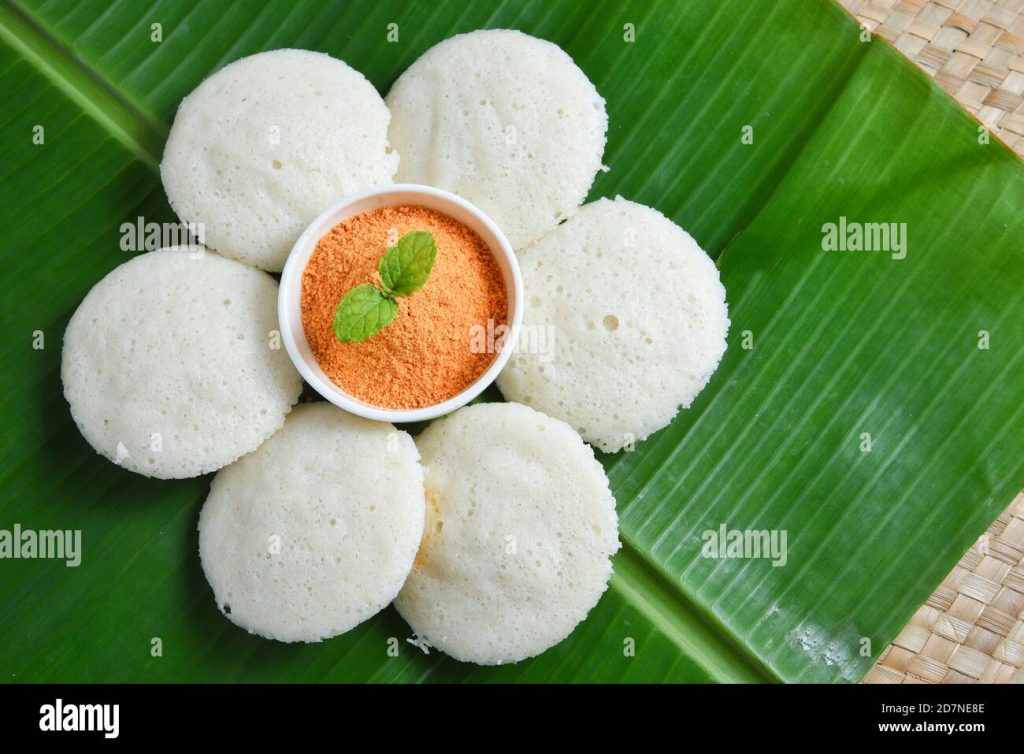
Idly at Maha Prasadam at Narketpally

Lunch is the midday meal, typically eaten between 12 PM and 2 PM, that bridges breakfast and dinner. It replenishes energy after the morning’s activities and prepares the body and mind for the afternoon.

Key Advantages of Eating Lunch

Here are the main benefits, backed by health and productivity insights:

  • Boosts Energy and Prevents Afternoon Slump: Lunch raises blood sugar levels and provides glucose to the brain and body, helping you feel re-energized. Skipping it often leads to fatigue, irritability, and reduced focus in the later part of the day.
  • Improves Concentration and Productivity: A balanced lunch supplies nutrients that support cognitive function, mood stability, and mental alertness. Studies show that people who take a proper lunch break (instead of working through it) report better focus, higher efficiency, and even increased creativity. It acts as a recovery period for the brain, similar to how athletes rest during a game.
  • Supports Weight Management and Metabolism: Eating a moderate lunch helps regulate appetite, reduces the chance of overeating snacks or dinner, and keeps your metabolism active. Research indicates that consuming the main meal earlier (like lunch) can aid weight loss and improve insulin sensitivity compared to eating heavily at dinner.
  • Balances Blood Sugar and Overall Health: Regular lunch helps stabilize blood sugar, which supports steady energy without crashes. It also contributes to better nutrient intake, stronger immunity, digestive health, and lower risk of issues like obesity or type 2 diabetes when the meal is nutritious.
  • Reduces Stress and Enhances Well-Being: Stepping away for lunch allows mental disconnection from work, lowering stress and anxiety. Mindful eating (without distractions) promotes healthier choices and a sense of refreshment. In workplaces or schools, it can even foster social connections and better team dynamics.

Tips for a Healthy Lunch

Aim for balance: Include complex carbs (for sustained energy), proteins (for fullness), healthy fats, vegetables/fruits (for vitamins and fiber), and some dairy or alternatives. Portion control matters—enough to satisfy but not so heavy that it causes drowsiness.

In the Indian context (especially Hyderabad), a typical balanced vegetarian lunch could feature:

  • Rice or roti
  • Dal or sambar (protein)
  • A vegetable curry (like aloo gobi or palak)
  • Salad or raita
  • Buttermilk (chaas) for digestion

Popular easy options include pulao with veggies, parathas with curd, or thali-style meals with multiple items. Planning ahead or prepping lunch boxes helps maintain consistency.

Eating lunch mindfully—away from screens, with others when possible—maximizes these benefits. If you’re often skipping it due to a busy schedule, start small: even a 20-30 minute break with a nutritious meal can make a noticeable difference in how you feel by evening.

Would you like specific lunch recipes, ideas tailored to Hyderabad cuisine, or advice on quick office-friendly meals.

Dosa at Maha Prasadam at Narketpally

Dosa is a thin, crispy, savory crepe (or pancake) from South Indian cuisine, traditionally made from a fermented batter of rice and black gram lentils (urad dal), sometimes with fenugreek seeds added for flavor and fermentation. It originated in southern India, with references dating back over 1,000–2,000 years in ancient Tamil literature.

The batter is soaked, ground into a smooth paste, allowed to ferment naturally (which gives it a slightly tangy taste and airy texture), then spread thinly on a hot griddle (tawa) and cooked with a little oil until golden and crisp. It is typically served hot with coconut chutney, tomato chutney, sambar (a lentil-vegetable stew), or potato masala filling.

Popular Types of Dosa

  • Plain Dosa (Sada Dosa): Simple, crispy, no filling — often folded or rolled.
  • Masala Dosa: Filled with spiced potato-onion masala; one of the most loved varieties.
  • Mysore Masala Dosa: Features a layer of spicy red chutney inside.
  • Other variations: Onion dosa, rava dosa (semolina-based for extra crispiness), neer dosa (softer, rice-only from coastal Karnataka), paper dosa (extra thin and large), set dosa (thicker, soft pancakes), and modern fusions like cheese or schezwan dosa.
  • Advantages and Health Benefits of Dosa
  • Dosa is considered a nutritious, balanced meal when prepared traditionally. It is naturally gluten-free, vegetarian, and relatively light.
  • Key nutritional profile (approximate for one medium plain dosa, ~35–80g serving; values vary by size and recipe):
  • Calories: 70–170 kcal (low to moderate)
  • Carbohydrates: 13–30g (mainly complex, providing sustained energy)
  • Protein: 2–5g (from the lentil-rice combo; higher when paired with sambar/chutney)
  • Fat: 1–4g (minimal if made with little oil)
  • Fiber: ~0.6–3g
  • Other: Good source of B vitamins (like thiamin, folate), iron, calcium, and minerals from black gram. No added sugars.
  • Main advantages and benefits:
  • Gut-friendly fermentation: The natural fermentation process creates probiotics (beneficial bacteria) that support digestion, reduce bloating, improve nutrient absorption, and promote a healthy gut microbiome. It acts like a mild probiotic food.
  • Easy to digest: Fermentation breaks down complex carbs and reduces anti-nutritional factors, making it lighter on the stomach compared to many other breads or pancakes.
  • Good for blood sugar management: Traditionally fermented dosa has a relatively lower glycemic impact (especially millet or whole-grain versions). It can help with steady energy release and may support insulin sensitivity when part of a balanced diet.
  • Nutrient boost: Provides plant-based protein, fiber, and minerals. Pairing with sambar (lentils + veggies) or chutney adds more protein, vitamins, and fiber.
  • Weight management friendly: Low in fat and calories (if not overloaded with ghee/oil or heavy fillings), filling due to fiber and protein, making it suitable for moderation in weight-conscious diets.
  • Versatile and customizable: Can be made healthier with additions like millets, oats, spinach, or vegetables for extra fiber and nutrients. Great for breakfast, lunch, or light dinner.
  • Cultural and practical perks: Quick to cook once batter is ready, affordable, street-food staple, and loved worldwide for its crispy texture and savory taste.
  • Tips for maximum benefits:
  • Use traditional overnight fermentation (avoid instant mixes if possible).
  • Cook with minimal oil or ghee.
  • Pair with vegetable-rich sambar and fresh chutneys rather than excessive coconut or fried accompaniments.
  • Experiment with ragi (finger millet), oats, or quinoa dosa for added nutrition.
  • Overall, dosa is a delicious, wholesome option that combines taste, tradition, and health — especially when enjoyed as part of a varied diet. If you’re in Hyderabad or anywhere in India, you’ll find excellent dosa at local eateries or can easily make them at home!