
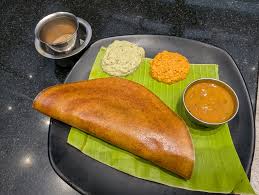
The dosa is more than just a beloved South Indian breakfast — it’s a crispy, golden, paper-thin delight that carries centuries of culinary wisdom in every bite. Made from a simple fermented batter of rice and urad dal (black gram), it transforms humble ingredients into something magical: light yet satisfying, elegantly savory, and endlessly versatile.
What makes dosa truly special is the natural fermentation process. Overnight, beneficial bacteria work their magic, creating that signature slightly tangy flavor while dramatically improving its nutritional profile. This ancient technique turns the batter into a probiotic-rich food — a living gift to your gut.
The dosa is more than just a beloved South Indian breakfast — it’s a crispy, golden, paper-thin delight that carries centuries of culinary wisdom in every bite. Made from a simple fermented batter of rice and urad dal (black gram), it transforms humble ingredients into something magical: light yet satisfying, elegantly savory, and endlessly versatile.
What makes dosa truly special is the natural fermentation process. Overnight, beneficial bacteria work their magic, creating that signature slightly tangy flavor while dramatically improving its nutritional profile. This ancient technique turns the batter into a probiotic-rich food — a living gift to your gut.
Here are some of the standout advantages of enjoying dosa regularly:
- Excellent for gut health — The probiotics produced during fermentation promote a balanced microbiome, improve digestion, reduce bloating, and strengthen overall immunity. It’s nature’s way of supporting your “second brain” (your gut).
- Easier to digest than plain rice or wheat-based dishes — Fermentation breaks down complex carbs and phytic acid, making nutrients more bioavailable and gentler on the stomach — ideal for sensitive digestion or as a light yet energizing meal.
- Good source of plant-based protein — Thanks to urad dal, a plain dosa provides a decent amount of protein (around 3–4 g per piece), and it becomes even more complete when paired with sambar (lentil-based) or chutneys.
- Relatively low in fat and heart-friendly — When prepared with minimal oil (or even on a non-stick pan), it remains low in saturated fat and cholesterol compared to many Western breakfast options like buttered toast, croissants, or fried foods.
- Provides sustained energy without wild blood sugar spikes — Traditional fermented dosa has a moderate-to-lower glycemic index than plain white rice or bread (especially when made with parboiled rice or millets). It delivers steady carbohydrates for brain function and physical activity.
- Naturally gluten-free — Perfect for anyone avoiding gluten, yet still offers satisfying texture and flavor.
- Highly customizable and nutrient-boostable — You can make ragi (finger millet) dosa for extra calcium & iron, oats dosa for more fiber, quinoa dosa for complete protein, or vegetable-stuffed versions to increase vitamins, minerals, and antioxidants.
A classic plain or masala dosa, served with coconut chutney and sambar, becomes a complete, balanced meal: carbs for energy, protein for repair, probiotics for the gut, and micronutrients from the accompaniments.
In a world full of ultra-processed breakfast choices, dosa stands out as an ancient superfood disguised as comfort food — light on the body, kind to the planet (low resource footprint), and deeply satisfying for the soul.
So next time that warm, crisp dosa arrives at your table, remember: you’re not just eating — you’re nourishing yourself with one of the world’s most intelligent traditional foods.