
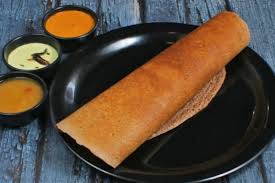
Dosa, the iconic South Indian crepe, is more than just a beloved breakfast staple—it’s a culinary masterpiece that combines simplicity, tradition, and remarkable nourishment in every crispy bite.
Imagine a paper-thin, golden-brown pancake with perfectly crisp edges and a soft, slightly spongy center, carrying that signature mildly tangy aroma from natural fermentation. Crafted from a fermented batter of rice and urad dal (black gram), dosa arrives steaming hot on your plate, often folded or rolled, ready to be dipped into aromatic coconut chutney, fiery tomato chutney, or a comforting bowl of sambar. Whether it’s the classic plain dosa, the ever-popular masala dosa generously stuffed with spiced potato masala, or innovative variants with millets, ragi, or oats, each version delivers that irresistible contrast of textures: shatteringly crisp outside, tender within.
What truly elevates dosa beyond its irresistible taste is its impressive array of health advantages, making it one of the smartest and most balanced choices in Indian cuisine:
- Naturally fermented goodness — The overnight fermentation process creates beneficial probiotics that support gut health, improve digestion, and strengthen immunity by promoting a healthy balance of gut bacteria.
- Enhanced nutrient absorption — Fermentation dramatically reduces phytic acid (an anti-nutrient), significantly boosting the bioavailability of essential minerals like iron and calcium—helping combat anemia and supporting bone health.
- Rich in proteins and balanced nutrition — Combining rice (carbohydrates for energy) with urad dal (high-quality plant protein), a single dosa delivers a good dose of protein along with B vitamins (like B1, B2, B3, B6), magnesium, and iron—fueling energy metabolism, nerve function, and overall vitality.
- Lower glycemic impact — Thanks to fermentation and the right grain-legume combo, dosa has a gentler effect on blood sugar compared to many carb-heavy foods—making it a smarter choice for sustained energy without sharp spikes (especially when prepared with millets or whole grains).
- Light yet satisfying — Low in calories (plain versions often range 100–150 kcal per serving) yet filling due to fiber and protein, dosa supports weight management while feeling indulgent.
- Customizable and wholesome — You can easily make it healthier by adding nutrient-dense fillings like vegetables, using millet-based batters, or pairing it with protein-rich chutneys—turning it into a complete, balanced meal.
In every fold of a dosa lies centuries of South Indian wisdom: simple ingredients transformed through patience and fermentation into something delicious, digestible, and deeply nourishing. Whether enjoyed at a bustling street-side cart in Hyderabad or lovingly prepared at home, dosa isn’t just food—it’s comfort, culture, and clever nutrition wrapped in one golden, crispy package.