
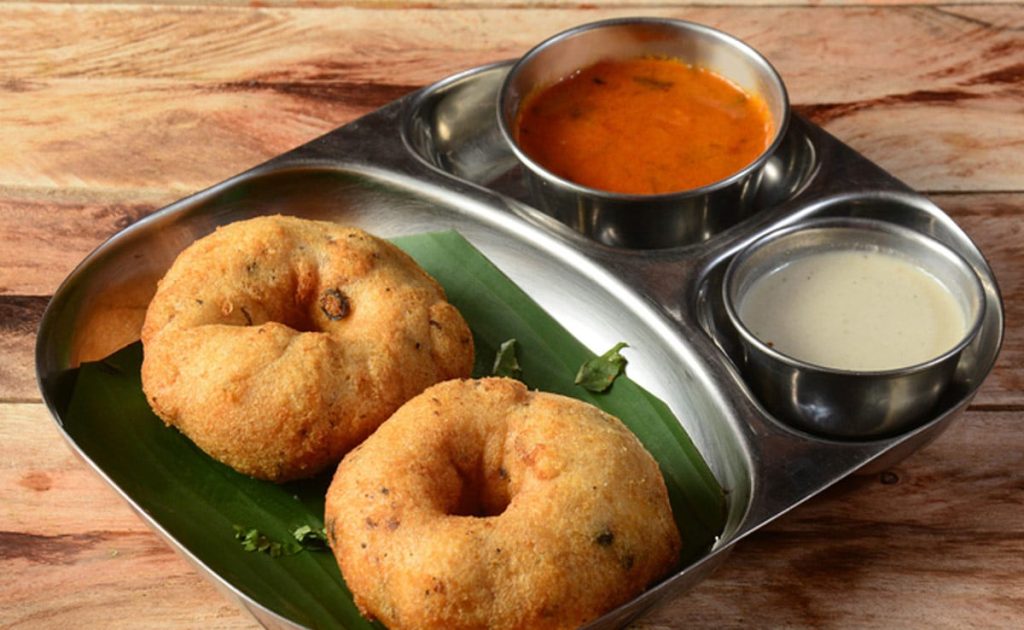
Vada (most commonly referring to Medu Vada or Urad Dal Vada in South Indian cuisine) is a popular crispy, doughnut-shaped fried snack made primarily from soaked and ground urad dal (black gram), often spiced with ginger, green chilies, curry leaves, and black pepper, then deep-fried.
While it’s a deep-fried food (so moderation is key due to added calories and oil), the base ingredient—urad dal—brings several nutritional advantages.
Key Nutritional Advantages of Vada (Mainly from Urad Dal)
- Excellent source of plant-based protein — Urad dal is rich in protein (around 24–25g per 100g dry), supporting muscle repair, growth, satiety, and overall energy. A couple of vadas can contribute a decent protein amount for a snack.
- Good dietary fiber content — Helps improve digestion, promotes regular bowel movements, supports gut health, and aids in preventing constipation.
- Rich in essential minerals:
- Iron → Helps prevent anemia (especially useful for women and growing children).
- Magnesium → Supports immunity, nerve function, and mental well-being.
- Potassium → Benefits heart health and blood pressure regulation.
- Calcium & Phosphorus → Contributes to strong bones and teeth.
- High in folic acid (folate) → Important for cell growth, especially beneficial during pregnancy (helps prevent neural tube defects in babies) and for general metabolic processes.
- Energy booster — Provides complex carbohydrates and B vitamins (like niacin) for sustained energy without extremely sharp spikes (urad dal has a relatively lower glycemic impact compared to many refined carbs, though frying adds calories).
- Other traditional benefits (from Ayurvedic perspective) — Considered strengthening (balya), nutritive, appetite-enhancing, and supportive for virility/reproductive health when consumed appropriately.
Popular Variations and Their Extra Benefits
- Sambar Vada — Pairing with sambar (made from toor dal, vegetables, and spices) adds more protein, fiber, vitamins from veggies, and antioxidants.
- Dahi Vada (vada soaked in curd/yogurt) — Gains probiotics for gut health, extra calcium for bones, cooling effect, and better satiety.
Things to Keep in Mind
Vada is calorie-dense (≈150–200 kcal per medium piece, mostly from frying oil) and high in fat, so it’s best enjoyed occasionally (e.g., 1–2 pieces) rather than daily in large amounts. For better balance, pair it with sambar, chutney, or salad, and opt for homemade versions where you can control oil.
Overall, Vada isn’t just tasty comfort food—thanks to urad dal—it’s more nutritious than many fried snacks when eaten mindfully! If you’re looking for a healthier twist, some people now make baked or air-fried versions.