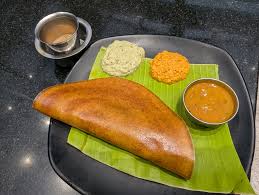
Dosa is a beloved traditional South Indian dish — a thin, crispy, savory crepe (sometimes called an Indian pancake) made from a fermented batter of rice and black gram (urad dal), often with a touch of fenugreek seeds. It originated in South India, with references dating back over 1,000–2,000 years in ancient Tamil literature, and has become a global favorite, especially the iconic masala dosa (stuffed with spiced potato filling).
It’s typically served hot with sambar (a lentil-vegetable stew), coconut chutney, tomato chutney, or other accompaniments. There are many popular varieties, including:
- Plain dosa
- Masala dosa
- Mysore masala dosa
- Rava dosa (made with semolina for extra crispiness)
- Paper dosa (extra thin and large)
- Ghee roast dosa
- And many regional/fusion versions like paneer dosa, cheese dosa, etc.
Dosa is not only delicious but also offers several health advantages, especially when prepared traditionally with moderate oil/ghee.
Key Health Advantages and Benefits of Dosa
- Fermented food → Excellent for gut health The natural fermentation process (batter rests 8–12+ hours) produces probiotics that support digestion, improve gut flora, boost immunity, and may help reduce bloating or digestive issues.
- Easily digestible Fermentation breaks down complex carbs and reduces phytic acid (an anti-nutrient), making nutrients more bioavailable and the dish gentle on the stomach — great for kids, elderly people, or those with sensitive digestion.
- Good source of complete protein The combination of rice (carbs) + urad dal (legume) provides all essential amino acids, especially when eaten with sambar. A plain dosa offers around 3–6g protein per serving.
- Rich in B vitamins, iron, calcium, and magnesium Fermentation increases bioavailability of iron (helps prevent anemia), calcium, magnesium (for muscles/nerves), and various B vitamins (for energy and metabolism).
- Moderate calories and good for weight management A plain dosa (without heavy stuffing or excess oil) is around 100–150 calories per piece — low in fat, high in complex carbs for sustained energy, and filling when paired with protein-rich sambar.
- Naturally gluten-free and vegan Perfect for people with gluten intolerance or plant-based diets.
- Lower glycemic impact than many carb foods Fermentation lowers the glycemic index compared to plain rice, helping with steadier blood sugar levels.
- Provides fiber and complex carbohydrates Supports steady energy release and keeps you full longer, reducing unhealthy snacking.
Note: Health benefits are maximized with plain/minimally oiled versions and balanced accompaniments. Heavy ghee/oil or deep-fried variations reduce some advantages.
Dosa is a nutritious, tasty, and culturally significant food that’s both comforting and healthy when enjoyed as part of a balanced meal! If you’re in Hyderabad, you have endless amazing options to try.