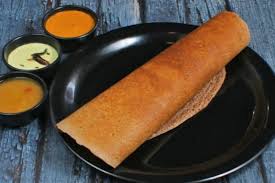
Dosa is a popular South Indian crispy crepe (or pancake) made from a fermented batter of rice and urad dal (black gram lentils). It is a staple breakfast or snack in India, often served with coconut chutney, sambar (lentil-vegetable stew), or potato masala filling (in masala dosa).
What Makes Dosa Special? The magic lies in fermentation. The soaked rice and urad dal are ground into a batter, left to ferment overnight (naturally with wild yeasts and bacteria), then spread thinly on a hot griddle and cooked with a little oil until golden and crisp. This process gives dosa its signature tangy flavor, light texture, and many health advantages.
Main Advantages and Health Benefits of Dosa`
- Gut Health & Probiotics Fermentation introduces beneficial bacteria (like Lactobacillus), acting as a natural probiotic. This supports digestion, reduces bloating, improves gut microbiota balance, and may boost immunity. The process also breaks down complex carbs and proteins, making dosa easier to digest than many other carb-heavy foods.
- Improved Nutrient Absorption Fermentation reduces phytic acid (an anti-nutrient in grains and legumes), increasing the bioavailability of iron, calcium, magnesium, and B vitamins. This helps prevent deficiencies and supports energy metabolism, bone health, and oxygen transport.
- Better for Blood Sugar Management The fermentation lowers the glycemic index compared to plain rice. It provides sustained energy without sharp spikes, making traditional dosa a reasonable option for many people managing diabetes (especially when made with minimal oil and paired with protein-rich sambar or vegetables). Variations with millets or moong dal can make it even more diabetes-friendly.
- Weight Management Potential A plain or vegetable-filled dosa can be filling due to fiber and protein, helping you stay satisfied longer. It’s relatively light on the stomach and lower in calories than many fried or bread-based breakfasts when prepared with controlled oil. However, excessive ghee or multiple dosas can add up—moderation and healthier variations (e.g., ragi or moong dal dosa) work best for weight loss.
- Heart-Friendly & Nutrient-Dense Low in saturated fat (if not overloaded with oil), it provides fiber that may help manage cholesterol. The B vitamins support energy production, while minerals like magnesium aid muscle and nerve function. It’s naturally gluten-free.
- Versatile & Customizable You can make it healthier by:
- Adding millets (ragi/finger millet for extra calcium and fiber)
- Using moong dal or other lentils for more protein
- Stuffing with vegetables, paneer, or sprouts
- Serving with nutrient-packed sambar and fresh chutneys
- Easy to Digest & Light Ideal for all ages, including children, elderly, or those with sensitive stomachs, as fermentation pre-digests the batter.
Tips for Maximum Benefits
- Opt for traditionally fermented homemade or fresh dosa (not instant mixes, which may skip full fermentation benefits).
- Use minimal oil or a non-stick pan for crispiness without excess fat.
- Pair with sambar (for protein + veggies) and coconut or tomato chutney.
- Try variations: plain dosa, masala dosa, paper dosa, or millet-based for added nutrition.
- Note: Cooking on a hot griddle kills most live probiotics, but the pre-digestion and nutrient enhancements from fermentation remain.
Dosa is a delicious, balanced, and culturally rich food that fits well into a healthy diet when enjoyed in moderation with smart preparations. It’s far more nutritious than many processed breakfast options!
If you’re in Hyderabad (or anywhere in India), fresh dosa from a good South Indian eatery is always a treat. Would you like a simple homemade recipe or tips for healthier variations?