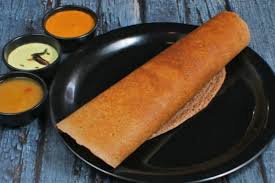
Dosa is a popular South Indian fermented crepe (or pancake) made primarily from a batter of rice and urad dal (black gram lentils), often with fenugreek seeds. It is thin, crispy on the outside, and soft inside, traditionally served with coconut chutney, sambar, or potato masala (in masala dosa).
Basic Nutritional Profile (Approximate, per plain dosa serving)
- Calories: 100–150 for a standard plain dosa (can vary; restaurant versions with oil/butter or masala can go higher, up to 300–600+).
- Macros: High in carbohydrates (around 65%), moderate protein (12%), and lower fat (23% or less if prepared with minimal oil).
- Key nutrients: B vitamins (B1, B2, B3, B6), iron, calcium, magnesium, and some dietary fiber. The rice + urad dal combo provides a good balance of amino acids.
Main Advantages and Health Benefits of Dosa
Dosa stands out as a nutritious, everyday food due to its preparation and ingredients:
- Fermentation Benefits The overnight fermentation of the batter (thanks to lactic acid bacteria and yeasts) breaks down anti-nutrients like phytic acid. This improves the bioavailability of minerals (iron and calcium), making them easier for the body to absorb. It also produces natural probiotics that support gut health, digestion, and immunity. Fermentation predigests the batter, so dosa is light on the stomach and easy to digest—ideal for all ages, including kids, elderly, or those recovering from illness.
- Complete Protein Source Rice (carbs) + urad dal (protein) together supply all essential amino acids, especially when paired with sambar (lentil-based). This makes it a solid vegetarian/vegan protein option for muscle maintenance and satiety.
- Low in Fat and Calories (When Prepared Right) Traditional plain dosa uses very little oil. It’s lighter than many fried Indian snacks or Western breakfasts like pancakes with syrup. Home-made versions with minimal oil or ghee keep it heart-healthy.
- Gluten-Free and Versatile Naturally gluten-free, so it’s suitable for those with celiac disease or gluten sensitivity. You can customize it endlessly (see varieties below).
- Sustained Energy and Blood Sugar Management Fermentation lowers the glycemic impact compared to unfermented rice dishes. It provides complex carbs for steady energy without a heavy spike (though portion control matters for diabetics). Rich in B vitamins for energy metabolism.
- Additional Perks
- Supports digestion and gut flora via probiotics and lactic acid.
- Can include fenugreek, which adds phytonutrients.
- Affordable, quick to cook once batter is ready, and filling without heaviness.
Popular Types of Dosa and Extra Advantages
- Plain/Sada Dosa: Basic crispy version—lightest option.
- Masala Dosa: Filled with spiced potato-onion masala; adds veggies, potassium, and more fiber for sustained fullness.
- Rava Dosa: Made with semolina; quicker (no long fermentation), lacy texture.
- Healthier Variations:
- Ragi (Finger Millet) Dosa: Higher in iron, calcium, and fiber—great for bones and anemia.
- Adai Dosa: Mixed lentils—very high protein.
- Oats, Jowar (Sorghum), or Multigrain Dosa: Boosts fiber and makes it even better for weight management or diabetes.
- Neer Dosa: Very light, rice-water based (Karnataka style).
These millet or extra-lentil versions increase fiber, protein, and micronutrients while keeping it gluten-free.
Tips to Maximize Benefits
- Prepare at home with minimal oil for lower calories.
- Pair with vegetable sambar and fresh chutneys (coconut, tomato, or mint) for more protein, fiber, and vitamins.
- Control portions if watching carbs or calories—1–2 dosas with sides make a balanced meal.
- For weight loss: Opt for plain or millet versions over buttery masala ones; it’s often better than oily parathas or poori.
- Store-bought instant mixes or restaurant versions may have more oil/salt—home-made is usually superior.
Dosa is a delicious, balanced, fermented food that offers gut-friendly digestion, plant-based protein, improved nutrient absorption, and versatility without being heavy. It’s a staple for good reason in South Indian cuisine and works well as breakfast, lunch, or light dinner. Enjoy it regularly as part of a varied diet! If you have specific dietary needs (e.g., diabetes or weight loss), consult a nutritionist for personalized advice.