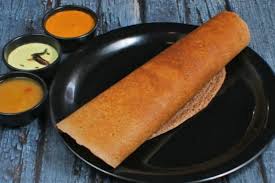
Dosa — the golden, crispy, paper-thin delight from South India — is much more than just a beloved breakfast or street food staple. It’s a culinary masterpiece that has delighted generations for over 2,000 years, with roots tracing back to ancient Tamil literature and traditions deeply embedded in Tamil Nadu, Karnataka, and beyond.
Imagine a perfectly crispy crepe-like pancake, lightly golden-brown and aromatic, made from a simple yet magical fermented batter of rice and urad dal (black gram). When cooked on a hot griddle with a touch of oil or ghee, it develops those characteristic bubbles and a satisfying crunch on the outside while remaining soft and slightly spongy inside. Served rolled or folded, often with a flavorful potato masala filling (in the iconic Masala Dosa), and accompanied by steaming sambar, creamy coconut chutney, tomato chutney, and sometimes a dollop of podi — it’s a complete, soul-satisfying experience.
What truly elevates dosa beyond its irresistible taste is its impressive array of health advantages, especially when prepared traditionally:
- Naturally fermented goodness — The overnight fermentation process creates beneficial probiotics that support gut health, improve digestion, and strengthen immunity. It also reduces phytic acid (an anti-nutrient), making essential minerals far more bioavailable.
- Excellent nutrient profile — A single plain dosa delivers a balanced mix of complex carbohydrates for sustained energy, good-quality plant-based protein (from the rice + urad dal combo that forms a complete protein), plus notable amounts of B vitamins (for energy metabolism and nerve health), iron (to help prevent anemia), calcium, magnesium, and some fiber.
- Light and easy to digest — Thanks to fermentation, dosa is gentle on the stomach — lighter than many bread-based meals and ideal for breakfast or when you want something satisfying without feeling heavy.
- Low-to-moderate in calories — A plain dosa typically ranges from 100–150 calories (depending on size and oil used), making it a smart choice for weight-conscious eating when paired thoughtfully with nutrient-rich sides rather than excessive ghee or oil.
- Versatile and customizable — You can make healthier versions with added millets, ragi, oats, or vegetables, lowering the glycemic impact even further while boosting fiber and micronutrients.
Basic Idli Dosa Batter & Fermenting Idli Dosa Batter In Cold Climate
In a world full of processed foods, dosa stands out as a time-tested, wholesome option — ancient wisdom meets modern nutrition in every crispy bite. Whether enjoyed plain, stuffed with masala, or in creative avatars like cheese, paneer, or quinoa dosa, it remains one of the most delicious ways to nourish your body and soul.
Next time you savor that first crunchy bite dipped in tangy sambar, remember: you’re not just eating — you’re experiencing a piece of India’s living heritage that’s as good for you as it is heavenly!