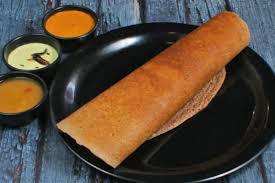
Dosa (also known as dosai or dose) is a popular South Indian thin, crispy crepe made from a fermented batter of rice and urad dal (black gram lentils). It is a staple breakfast or meal across India and loved worldwide for its tangy flavor, light texture, and versatility.
- Use homemade batter for best fermentation and control over ingredients.
- Opt for millet or multi-grain versions (e.g., ragi, oats, or quinoa dosa) for added fiber and nutrients.
- Pair with vegetable-rich sambar and minimal-oil chutneys.
- Avoid excessive ghee/butter or restaurant-style deep-frying for calorie control.
- Moderation is key—enjoy as part of a balanced diet.
Dosa is not just tasty; it’s a nutritious, fermented food that fits well into everyday meals, whether for breakfast, lunch, or a light dinner. In Hyderabad and across Telangana, you’ll find excellent variations in local eateries—try a crispy ghee roast or classic masala dosa with piping hot sambar!
If you want a simple homemade recipe or specific variety details, let me know.
Health Advantages of Dosa
Dosa is considered one of the healthier Indian breakfast options when prepared traditionally (minimal oil). Its benefits come largely from the fermentation process and the rice + lentil combination. Here are the key advantages:
- Gut-Friendly Probiotics — Fermentation produces beneficial bacteria (like lactobacillus), acting as a natural probiotic. This supports digestion, improves gut flora, and may boost immunity.
- Better Nutrient Absorption — Fermentation reduces phytic acid (an anti-nutrient in grains and legumes), increasing the bioavailability of minerals like iron, calcium, and potassium. It also enhances B-vitamins.
- Complete Protein Source — Rice provides carbs, while urad dal adds protein. Together, they supply all essential amino acids, making it a balanced plant-based protein option (especially when paired with sambar).
- Easily Digestible & Light — The fermentation breaks down complex carbs and proteins, making dosa gentle on the stomach—ideal for all ages, including those with mild digestive issues.
- Sustained Energy — Complex carbohydrates from rice and lentils provide steady energy without sharp blood sugar spikes (fermentation helps lower the glycemic impact compared to unfermented rice dishes).
- Gluten-Free & Low Fat — Naturally gluten-free, suitable for celiac or gluten-sensitive people. Traditional versions use very little oil or ghee.
- Rich in Micronutrients — Good source of B vitamins (for energy and nerve health), iron (helps prevent anemia), magnesium, and fiber from the lentils.
Nutritional Snapshot (approximate, per plain dosa ~100-150g):
- Calories: 120–180 kcal (plain); 250–350 kcal for masala dosa.
- Carbs: ~18–25g (energy).
- Protein: ~3–6g.
- Low in fat if not overloaded with ghee/oil.
Tips for Maximum Benefits
- Use homemade batter for best fermentation and control over ingredients.
- Opt for millet or multi-grain versions (e.g., ragi, oats, or quinoa dosa) for added fiber and nutrients.
- Pair with vegetable-rich sambar and minimal-oil chutneys.
- Avoid excessive ghee/butter or restaurant-style deep-frying for calorie control.
- Moderation is key—enjoy as part of a balanced diet.