Lunch is the midday meal that refuels your body after the morning’s activities and prepares it for the rest of the day. It plays a key role in maintaining steady energy, supporting focus, and promoting overall health—much like breakfast, it’s essential rather than optional for most people.
Key Advantages of Eating a Nutritious Lunch
Here are the main benenefits, backed by how your body and mind respond:
Sustained Energy and Prevents Afternoon Slump: Lunch raises blood sugar levels midway through the day, providing the fuel needed for afternoon tasks. A balanced meal helps you avoid feeling sluggish, tired, or reliant on vending machine snacks.
Improved Focus, Concentration, and Productivity: Proper nutrition (especially from proteins, complex carbs, and healthy fats) enhances cognitive function, memory, and attention. Studies link healthier lunches to better performance—e.g., students show higher test scores, and employees report up to 20-25% boosts in productivity and work quality. It also reduces stress and helps you feel refreshed.
Lunch is the midday meal, typically eaten between 12 PM and 2 PM, that bridges breakfast and dinner. It replenishes energy after the morning’s activities and prepares the body and mind for the afternoon.
Key Advantages of Eating Lunch
Here are the main benefits, backed by health and productivity insights:
Boosts Energy and Prevents Afternoon Slump: Lunch raises blood sugar levels and provides glucose to the brain and body, helping you feel re-energized. Skipping it often leads to fatigue, irritability, and reduced focus in the later part of the day.
Improves Concentration and Productivity: A balanced lunch supplies nutrients that support cognitive function, mood stability, and mental alertness. Studies show that people who take a proper lunch break (instead of working through it) report better focus, higher efficiency, and even increased creativity. It acts as a recovery period for the brain, similar to how athletes rest during a game.
Supports Weight Management and Metabolism: Eating a moderate lunch helps regulate appetite, reduces the chance of overeating snacks or dinner, and keeps your metabolism active. Research indicates that consuming the main meal earlier (like lunch) can aid weight loss and improve insulin sensitivity compared to eating heavily at dinner.
Balances Blood Sugar and Overall Health: Regular lunch helps stabilize blood sugar, which supports steady energy without crashes. It also contributes to better nutrient intake, stronger immunity, digestive health, and lower risk of issues like obesity or type 2 diabetes when the meal is nutritious.
Reduces Stress and Enhances Well-Being: Stepping away for lunch allows mental disconnection from work, lowering stress and anxiety. Mindful eating (without distractions) promotes healthier choices and a sense of refreshment. In workplaces or schools, it can even foster social connections and better team dynamics.
Tips for a Healthy Lunch
Aim for balance: Include complex carbs (for sustained energy), proteins (for fullness), healthy fats, vegetables/fruits (for vitamins and fiber), and some dairy or alternatives. Portion control matters—enough to satisfy but not so heavy that it causes drowsiness.
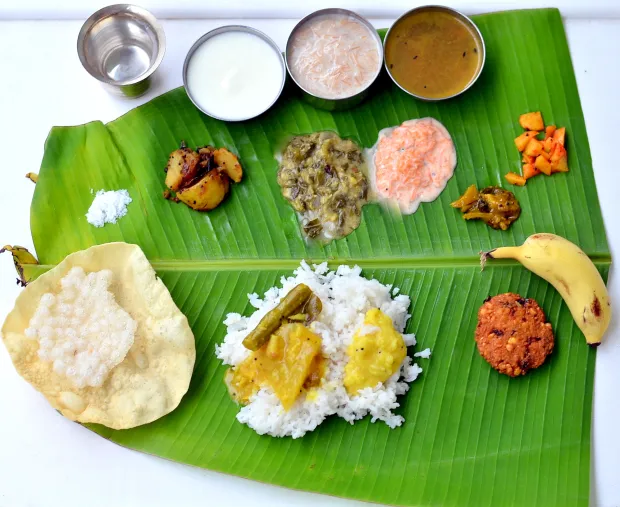
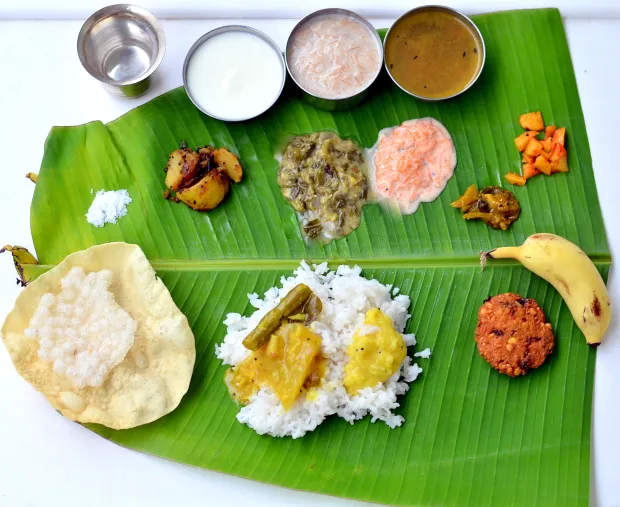
In the Indian context (especially Hyderabad), a typical balanced vegetarian lunch could feature:
Rice or roti
Dal or sambar (protein)
A vegetable curry (like aloo gobi or palak)
Salad or raita
Buttermilk (chaas) for digestion
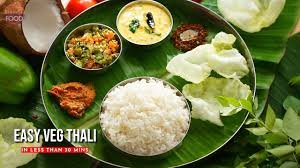
Popular easy options include pulao with veggies, parathas with curd, or thali-style meals with multiple items. Planning ahead or prepping lunch boxes helps maintain consistency.
Eating lunch mindfully—away from screens, with others when possible—maximizes these benefits. If you’re often skipping it due to a busy schedule, start small: even a 20-30 minute break with a nutritious meal can make a noticeable difference in how you feel by evening.
Would you like specific lunch recipes, ideas tailored to Hyderabad cuisine, or advice on quick office-friendly meals.
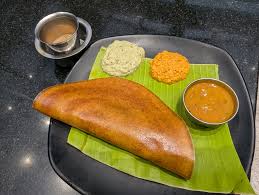
Dosa is a thin, crispy, savory crepe (or pancake) from South Indian cuisine, traditionally made from a fermented batter of rice and black gram lentils (urad dal), sometimes with fenugreek seeds added for flavor and fermentation. It originated in southern India, with references dating back over 1,000–2,000 years in ancient Tamil literature.
The batter is soaked, ground into a smooth paste, allowed to ferment naturally (which gives it a slightly tangy taste and airy texture), then spread thinly on a hot griddle (tawa) and cooked with a little oil until golden and crisp. It is typically served hot with coconut chutney, tomato chutney, sambar (a lentil-vegetable stew), or potato masala filling.
Popular Types of Dosa
Plain Dosa (Sada Dosa): Simple, crispy, no filling — often folded or rolled.
Masala Dosa: Filled with spiced potato-onion masala; one of the most loved varieties.
Mysore Masala Dosa: Features a layer of spicy red chutney inside.
Other variations: Onion dosa, rava dosa (semolina-based for extra crispiness), neer dosa (softer, rice-only from coastal Karnataka), paper dosa (extra thin and large), set dosa (thicker, soft pancakes), and modern fusions like cheese or schezwan dosa.
Advantages and Health Benefits of Dosa
Dosa is considered a nutritious, balanced meal when prepared traditionally. It is naturally gluten-free, vegetarian, and relatively light.
Key nutritional profile (approximate for one medium plain dosa, ~35–80g serving; values vary by size and recipe):
Protein: 2–5g (from the lentil-rice combo; higher when paired with sambar/chutney)
Fat: 1–4g (minimal if made with little oil)
Fiber: ~0.6–3g
Other: Good source of B vitamins (like thiamin, folate), iron, calcium, and minerals from black gram. No added sugars.
Main advantages and benefits:
Gut-friendly fermentation: The natural fermentation process creates probiotics (beneficial bacteria) that support digestion, reduce bloating, improve nutrient absorption, and promote a healthy gut microbiome. It acts like a mild probiotic food.
Easy to digest: Fermentation breaks down complex carbs and reduces anti-nutritional factors, making it lighter on the stomach compared to many other breads or pancakes.
Good for blood sugar management: Traditionally fermented dosa has a relatively lower glycemic impact (especially millet or whole-grain versions). It can help with steady energy release and may support insulin sensitivity when part of a balanced diet.
Nutrient boost: Provides plant-based protein, fiber, and minerals. Pairing with sambar (lentils + veggies) or chutney adds more protein, vitamins, and fiber.
Weight management friendly: Low in fat and calories (if not overloaded with ghee/oil or heavy fillings), filling due to fiber and protein, making it suitable for moderation in weight-conscious diets.
Versatile and customizable: Can be made healthier with additions like millets, oats, spinach, or vegetables for extra fiber and nutrients. Great for breakfast, lunch, or light dinner.
Cultural and practical perks: Quick to cook once batter is ready, affordable, street-food staple, and loved worldwide for its crispy texture and savory taste.
Tips for maximum benefits:
Use traditional overnight fermentation (avoid instant mixes if possible).
Cook with minimal oil or ghee.
Pair with vegetable-rich sambar and fresh chutneys rather than excessive coconut or fried accompaniments.
Experiment with ragi (finger millet), oats, or quinoa dosa for added nutrition.
Overall, dosa is a delicious, wholesome option that combines taste, tradition, and health — especially when enjoyed as part of a varied diet. If you’re in Hyderabad or anywhere in India, you’ll find excellent dosa at local eateries or can easily make them at home!
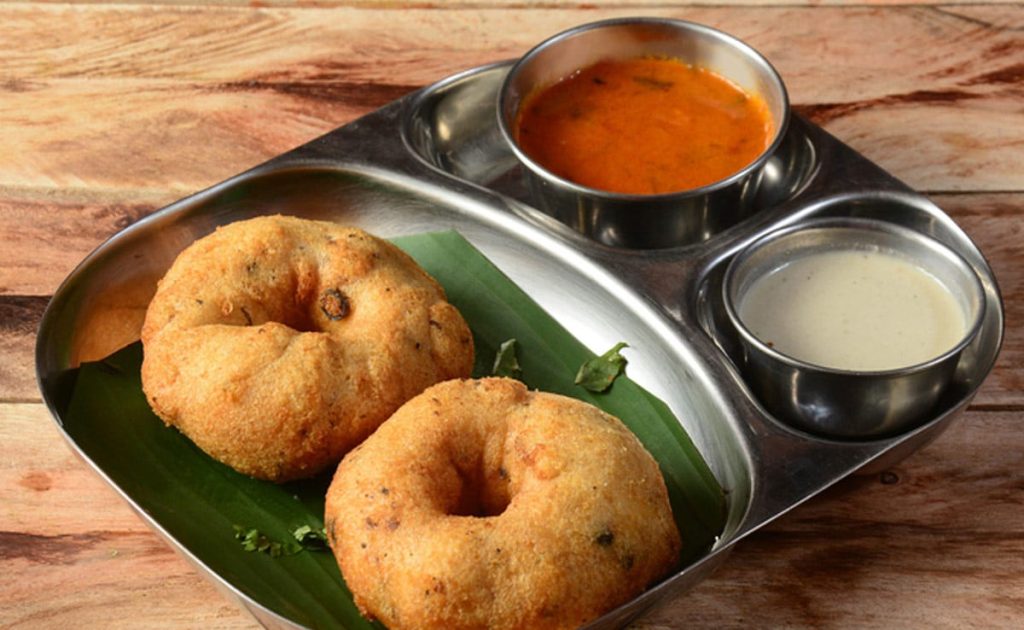
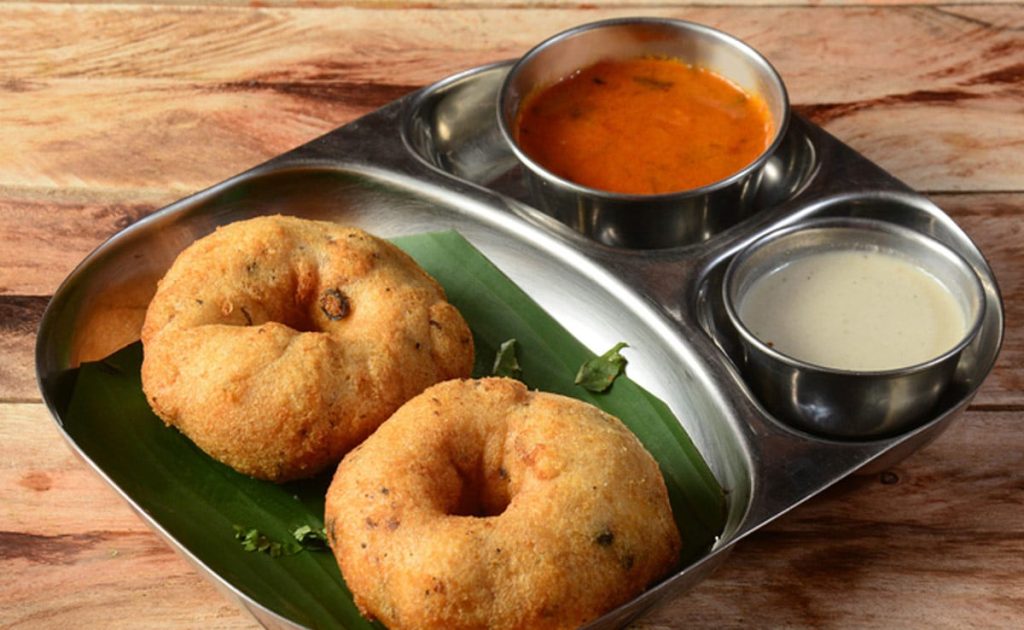
Vada is a popular savory, deep-fried snack (fritter) from Indian cuisine, especially beloved in South India but enjoyed across the country in various forms. It is often served as a breakfast item, evening snack, or street food, typically paired with coconut chutney, sambar, or other accompaniments.
Vada is made from a batter or dough of soaked and ground lentils (dal), shaped, and deep-fried until crispy on the outside and soft inside. The most iconic version is Medu Vada (also called ulundhu vadai or uddina vade), which has a doughnut-like shape with a hole in the center, made primarily from urad dal (black gram). Other common varieties include:
Masala Vada (or Parippu Vada): Made with chana dal (split chickpeas) or toor dal, often spicier with onions, garlic, or herbs; popular in Kerala and Tamil Nadu.
Dal Vada or Batata Vada: Potato-based (especially in Maharashtra for Vada Pav, where the spiced potato fritter is sandwiched in a bun/pav).
Sabudana Vada: Made with sago pearls, often for fasting.
Regional twists like Thavala Vadai (mixed dals and rice), Keerai Vadai (with spinach), or soaked versions like Dahi Vada (in yogurt) and Sambar Vada.
The basic preparation involves soaking urad dal (or other dals), grinding it into a fluffy batter with spices like green chilies, ginger, curry leaves, asafoetida (hing), and salt, then shaping and frying in oil. Fermentation in some recipes adds a light, airy texture.
In Hyderabad and Telangana (your region), you’ll commonly find Medu Vada with sambar and chutneys at tiffin centers, or variations in local South Indian eateries. Some brands like Narayan Prasadam Foods even offer vada premixes for restaurants and home use, often in no-onion-no-garlic or prasadam-style versions suitable for temple offerings.
Nutritional Profile (Approximate, per typical serving)
Medu Vada (one piece, ~30g): Around 73 calories, with carbs (~12.5g), protein (~5g), and very low fat if minimally oiled; higher when deep-fried.
Rich in plant-based protein (from urad dal), dietary fiber, iron, folic acid, magnesium, calcium, potassium, and B vitamins.
100g of vada can provide notable protein (around 12-13g) and fiber (5-6g+).
Vada Pav (street-style) is more calorie-dense (~260-290 kcal per piece) due to the bread and frying, offering carbs for quick energy plus some protein.
Advantages and Benefits of Vada
Vada isn’t a “superfood,” but when made traditionally and consumed in moderation, it offers several upsides thanks to its lentil base:
Good Source of Plant-Based Protein: Urad dal provides high-quality vegetarian protein that supports muscle repair, satiety (feeling full longer), and overall nutrition—helpful for vegetarians.
Dietary Fiber for Digestion: High fiber content aids bowel movements, improves gut health, promotes satiety, and may help manage cholesterol. When paired with vegetable-rich sambar, it adds even more fiber and antioxidants.
Rich in Essential Minerals and Vitamins:
Iron and folic acid: Support energy levels, prevent anemia (especially beneficial for women and kids).
Magnesium and potassium: Aid immunity, mental function, and heart health.
Calcium: Contributes to bone and teeth strength (enhanced in Dahi Vada with curd).
Energy Boost and Ayurvedic Benefits: In traditional Ayurveda, dry vada (crispy version) is considered strengthening (balya), nourishing (brimhana), appetizing, and supportive of virility/energy. It can balance Vata dosha and is seen as growth-promoting. Urad dal’s low glycemic index (in the dal itself) can provide sustained energy compared to refined carbs, though frying adds calories.
Versatility and Cultural Comfort: It’s a quick, satisfying snack that pairs well with balanced sides (chutney/sambar add vitamins). Soaked versions like Dahi Vada offer probiotics from curd, cooling properties, and bone-supporting calcium. Vada can be part of festive or temple prasadam in lighter forms.
Potential for Healthier Twists: Home-made or air-fried versions reduce oil absorption. Adding veggies (spinach, etc.) or using mixed dals boosts nutrients and fiber.
A Balanced Note
While vada has these advantages from its lentil foundation, deep-frying makes it calorie-dense and higher in fats, so it’s best enjoyed occasionally (e.g., 1-2 pieces) rather than daily. Pair it with protein-rich or fiber-heavy sides to mitigate blood sugar impact, and opt for baked/air-fried versions for lighter enjoyment.
If you’re in Hyderabad and want to try or make it, local spots serve excellent Medu Vada, or you can experiment with premixes. It’s a tasty way to incorporate more lentils into your diet! Let me know if you’d like a simple recipe or specifics on a variety.
Dosa is a beloved traditional South Indian dish — a thin, crispy, savory crepe (sometimes called an Indian pancake) made from a fermented batter of rice and black gram (urad dal), often with a touch of fenugreek seeds. It originated in South India, with references dating back over 1,000–2,000 years in ancient Tamil literature, and has become a global favorite, especially the iconic masala dosa (stuffed with spiced potato filling).
It’s typically served hot with sambar (a lentil-vegetable stew), coconut chutney, tomato chutney, or other accompaniments. There are many popular varieties, including:
Plain dosa
Masala dosa
Mysore masala dosa
Rava dosa (made with semolina for extra crispiness)
Paper dosa (extra thin and large)
Ghee roast dosa
And many regional/fusion versions like paneer dosa, cheese dosa, etc.
Dosa is not only delicious but also offers several health advantages, especially when prepared traditionally with moderate oil/ghee.
Key Health Advantages and Benefits of Dosa
Fermented food → Excellent for gut health The natural fermentation process (batter rests 8–12+ hours) produces probiotics that support digestion, improve gut flora, boost immunity, and may help reduce bloating or digestive issues.
Easily digestible Fermentation breaks down complex carbs and reduces phytic acid (an anti-nutrient), making nutrients more bioavailable and the dish gentle on the stomach — great for kids, elderly people, or those with sensitive digestion.
Good source of complete protein The combination of rice (carbs) + urad dal (legume) provides all essential amino acids, especially when eaten with sambar. A plain dosa offers around 3–6g protein per serving.
Rich in B vitamins, iron, calcium, and magnesium Fermentation increases bioavailability of iron (helps prevent anemia), calcium, magnesium (for muscles/nerves), and various B vitamins (for energy and metabolism).
Moderate calories and good for weight management A plain dosa (without heavy stuffing or excess oil) is around 100–150 calories per piece — low in fat, high in complex carbs for sustained energy, and filling when paired with protein-rich sambar.
Naturally gluten-free and vegan Perfect for people with gluten intolerance or plant-based diets.
Lower glycemic impact than many carb foods Fermentation lowers the glycemic index compared to plain rice, helping with steadier blood sugar levels.
Provides fiber and complex carbohydrates Supports steady energy release and keeps you full longer, reducing unhealthy snacking.
Note: Health benefits are maximized with plain/minimally oiled versions and balanced accompaniments. Heavy ghee/oil or deep-fried variations reduce some advantages.
Dosa is a nutritious, tasty, and culturally significant food that’s both comforting and healthy when enjoyed as part of a balanced meal! If you’re in Hyderabad, you have endless amazing options to try.
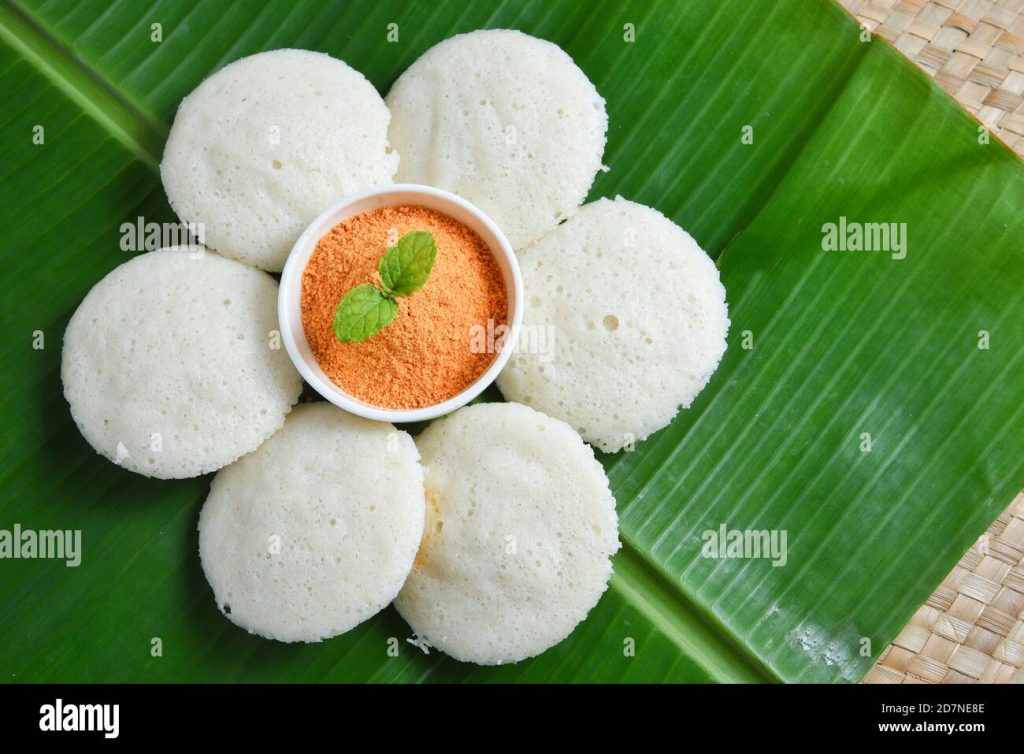
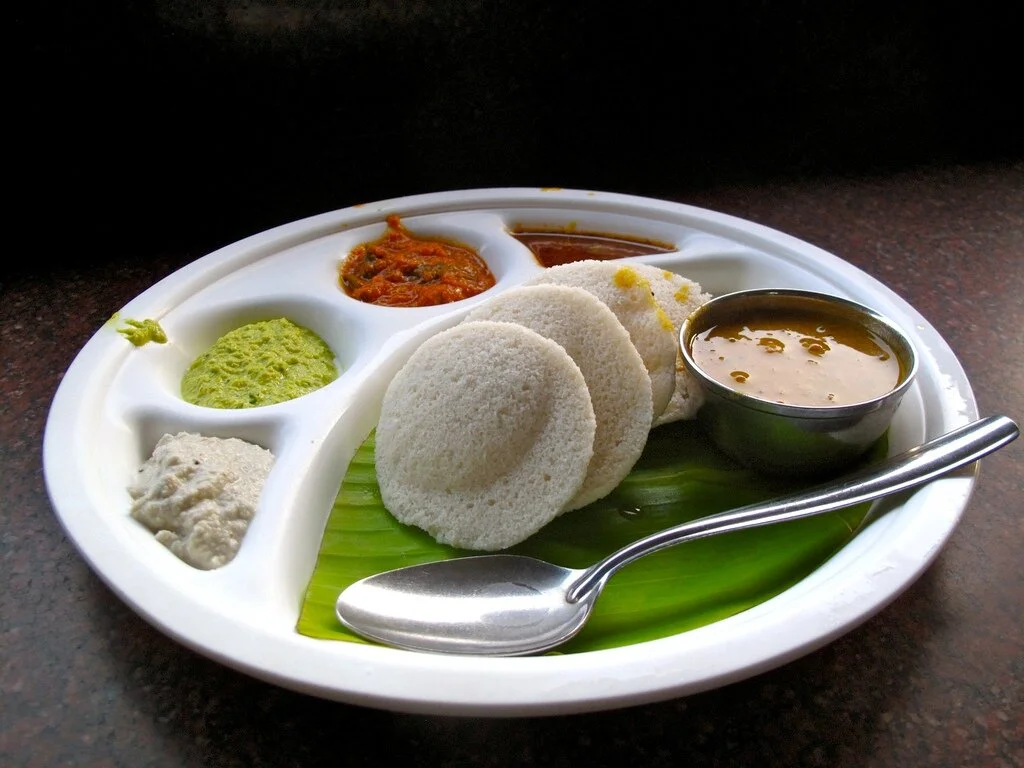
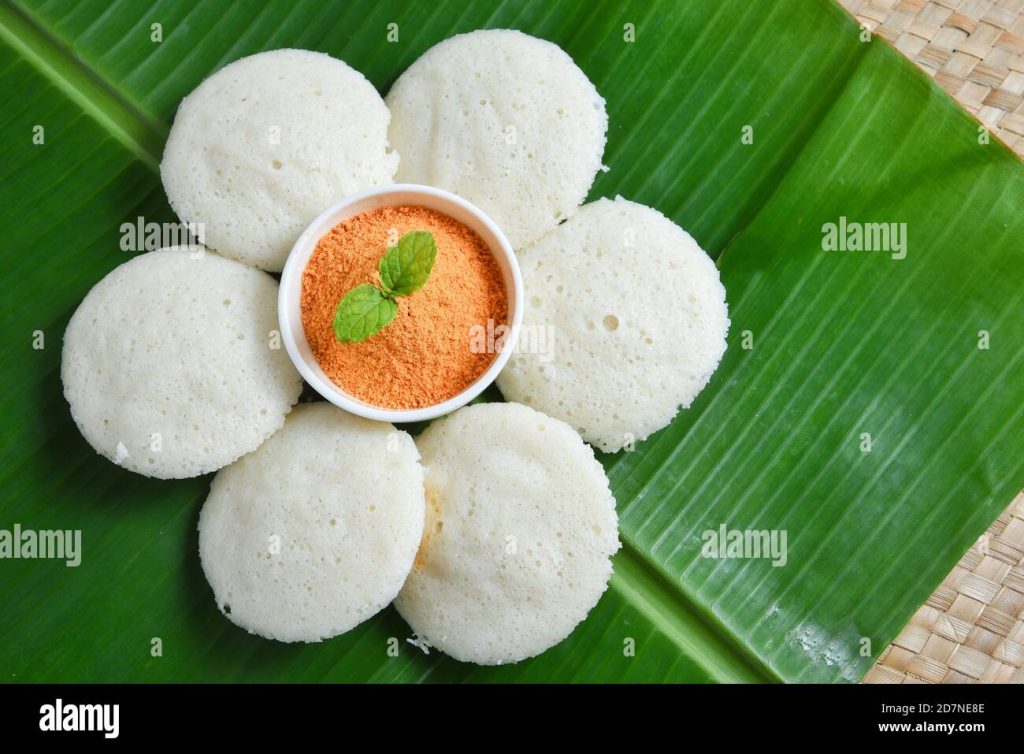
Idli (also spelled idly) is a classic South Indian steamed rice cake, a beloved breakfast staple across India and beyond. It’s soft, spongy, fluffy, and slightly tangy due to natural fermentation.
Idli is made from a fermented batter of rice and urad dal (split black gram lentils), typically in a 3:1 or 4:1 ratio. The batter is soaked, ground, mixed, left to ferment overnight (which develops its characteristic texture and flavor), then steamed in special idli molds. It’s usually served hot with sambar (a lentil-vegetable stew), coconut chutney, tomato chutney, or sometimes podi (spiced powder) with ghee.
Advantages and Health Benefits of Idli
Idli stands out as one of the healthiest Indian breakfast options because it’s steamed (no oil used in cooking), fermented, gluten-free, and naturally vegan. Here are its main advantages:
Excellent for Digestion and Gut Health The natural fermentation process introduces beneficial probiotics (like lactobacilli), which support healthy gut bacteria, improve digestion, reduce bloating, and boost immunity. Fermentation also breaks down complex carbs and phytic acid, making nutrients more bioavailable and easier on the stomach—ideal for all ages, including kids and elderly people.
Low in Calories and Fat One medium idli has roughly 50–65 calories, almost no fat, zero cholesterol, and no saturated fats. This makes it great for weight management and heart-healthy diets.
Good Source of Plant-Based Protein Thanks to urad dal, 4–5 idlis can provide about 8–12g of protein. When paired with sambar (more lentils + veggies), it becomes a complete protein meal.
Low Glycemic Index (GI) Fermentation lowers the GI (around 40–50), so it provides steady energy without sharp blood sugar spikes—beneficial for diabetes management and sustained energy throughout the morning.
Rich in Nutrients from Fermentation The process increases B-complex vitamins (like B1, B6, B12 precursors), improves absorption of iron, calcium, and magnesium, and adds overall nutritional value.
Gluten-Free and Allergy-Friendly Made purely from rice and lentils—no wheat—so it’s safe for people with gluten intolerance or celiac disease.
Light, Filling, and Balanced When eaten with sambar and chutney, it offers carbs for energy, protein, fiber from veggies, and micronutrients—making it a nutritionally balanced meal that’s easy to digest yet satisfying.
In short, idli is not just tasty—it’s a nutritious, probiotic-rich, low-calorie superfood that’s gentle on the body and has been nourishing generations in South India. If you’re in Hyderabad, fresh idlis from local spots or homemade ones are the best way to enjoy them.
Lunch is the midday meal that provides essential fuel to bridge the gap between breakfast and dinner. In many cultures, including Indian, it’s often the most substantial meal of the day, featuring a balanced combination of carbohydrates, proteins, vegetables, and sometimes dairy or fruits.
A well-planned lunch helps recharge your body and mind for the rest of the day.
Key Advantages of Eating Lunch (Especially a Healthy, Balanced One)
Boosts Energy and Prevents Afternoon Slump Lunch replenishes blood sugar levels after morning activities, providing sustained energy. Skipping it often leads to fatigue, reduced concentration, and that famous 3 PM crash. A proper midday meal keeps you alert and productive through the afternoon.
Improves Focus, Productivity, and Mental Performance Nutrient-rich food supports brain function. A balanced lunch helps maintain stable blood sugar, reducing irritability (“hangry” feelings) and enhancing cognitive performance, memory, and mood. It also allows a mental break, reducing stress.
Supports Better Weight Management and Metabolism Eating lunch keeps your metabolism active. People who eat a satisfying lunch tend to consume fewer calories later (less evening snacking or overeating at dinner). Studies show earlier lunches (before 3 PM) can aid more effective weight loss even with similar calorie intake.
Balances Blood Sugar and Reduces Cravings A nutritious lunch prevents sharp spikes/crashes in blood sugar, which helps control hunger hormones and reduces unhealthy snacking. It also makes evening meals lighter and digestion easier at night.
Provides Essential Nutrients for Overall Health Lunch is a great opportunity to include vegetables, proteins, whole grains, and healthy fats — helping meet daily requirements for vitamins, minerals, fiber, and protein. This supports immunity, heart health, digestion, and long-term well-being.
Offers Mental and Social Benefits Taking a proper lunch break allows relaxation, better gut-brain communication, and often social time with family/colleagues — boosting mood and relationships.
Reduces Stress and Improves Emotional Balance Regular meals help regulate cortisol (stress hormone). A calm, nourishing lunch promotes better emotional regulation in the second half of the day.
Tips for a Healthy, Balanced Lunch (Especially Indian-Style)
Aim for a mix of:
Carbs — Rice, roti, millets, or quinoa for energy.
Protein — Dal, paneer, rajma, chickpeas, soya, eggs, or chicken/fish.
Vegetables — At least 1–2 sabzi/stir-fry for fiber and vitamins.
Extras — Curd/chaas, salad, or raita for cooling and probiotics.
Some simple, healthy Indian lunch ideas:
Dal (e.g., moong/toor), vegetable sabzi, rice/roti, and curd.
Rajma/chole masala with jeera rice and salad.
Paneer bhurji or veggie pulao with raita.
Roti with mixed veg curry and dal.
Eating lunch isn’t just about food — it’s about giving your body and brain the midday reset they need. Skipping it regularly can lead to low energy, poor focus, and unhealthy eating patterns later. Make it a priority for better days!
Vada (most commonly referring to Medu Vada or Urad Dal Vada in South Indian cuisine) is a popular crispy, doughnut-shaped fried snack made primarily from soaked and ground urad dal (black gram), often spiced with ginger, green chilies, curry leaves, and black pepper, then deep-fried.
While it’s a deep-fried food (so moderation is key due to added calories and oil), the base ingredient—urad dal—brings several nutritional advantages.
Key Nutritional Advantages of Vada (Mainly from Urad Dal)
Excellent source of plant-based protein — Urad dal is rich in protein (around 24–25g per 100g dry), supporting muscle repair, growth, satiety, and overall energy. A couple of vadas can contribute a decent protein amount for a snack.
Good dietary fiber content — Helps improve digestion, promotes regular bowel movements, supports gut health, and aids in preventing constipation.
Rich in essential minerals:
Iron → Helps prevent anemia (especially useful for women and growing children).
Magnesium → Supports immunity, nerve function, and mental well-being.
Potassium → Benefits heart health and blood pressure regulation.
Calcium & Phosphorus → Contributes to strong bones and teeth.
High in folic acid (folate) → Important for cell growth, especially beneficial during pregnancy (helps prevent neural tube defects in babies) and for general metabolic processes.
Energy booster — Provides complex carbohydrates and B vitamins (like niacin) for sustained energy without extremely sharp spikes (urad dal has a relatively lower glycemic impact compared to many refined carbs, though frying adds calories).
Other traditional benefits (from Ayurvedic perspective) — Considered strengthening (balya), nutritive, appetite-enhancing, and supportive for virility/reproductive health when consumed appropriately.
Popular Variations and Their Extra Benefits
Sambar Vada — Pairing with sambar (made from toor dal, vegetables, and spices) adds more protein, fiber, vitamins from veggies, and antioxidants.
Dahi Vada (vada soaked in curd/yogurt) — Gains probiotics for gut health, extra calcium for bones, cooling effect, and better satiety.
Things to Keep in Mind
Vada is calorie-dense (≈150–200 kcal per medium piece, mostly from frying oil) and high in fat, so it’s best enjoyed occasionally (e.g., 1–2 pieces) rather than daily in large amounts. For better balance, pair it with sambar, chutney, or salad, and opt for homemade versions where you can control oil.
Overall, Vada isn’t just tasty comfort food—thanks to urad dal—it’s more nutritious than many fried snacks when eaten mindfully! If you’re looking for a healthier twist, some people now make baked or air-fried versions.
Lunch is the midday meal, typically eaten between 12 PM and 2–3 PM (depending on cultural and work schedules), that bridges breakfast and dinner. In many places, especially in India (like Hyderabad), lunch often features rice or rotis with dal, vegetables, curd, salads, and sometimes non-veg items — providing a balanced mix of carbs, proteins, fats, fiber, and micronutrients to refuel the body after the morning’s activities.
It’s not just about filling the stomach; a proper, nutritious lunch plays a key role in maintaining energy, focus, and overall health throughout the day.
Key Advantages and Health Benefits of Having Lunch
Boosts Energy and Combats Afternoon Slump Lunch replenishes blood sugar levels after the morning fast, providing sustained energy for the afternoon. Skipping it often leads to fatigue, sluggishness, or the classic “post-lunch dip.” A balanced meal can reduce afternoon tiredness by 20–30% (as per studies on nutrient timing).
Improves Focus, Concentration, and Productivity The brain relies on steady glucose supply. A good lunch with protein, complex carbs, and veggies supports better cognitive function, sharper thinking, and emotional balance in the second half of the day — ideal for work, studies, or daily tasks.
Supports Stable Blood Sugar Levels Eating lunch prevents extreme spikes or drops in glucose. A mix of protein, fiber-rich foods, and healthy fats helps regulate blood sugar, reducing cravings for sugary snacks later and supporting long-term diabetes management.
Keeps Metabolism Active Regular midday eating prevents the body from going into “starvation mode,” maintaining an active metabolism. This aids in better calorie burning and can support weight management when combined with mindful portions.
Prevents Overeating at Dinner or Late-Night Snacking A satisfying lunch curbs excessive hunger later, reducing the chance of bingeing on unhealthy foods in the evening. This promotes better portion control and intuitive eating overall.
Enhances Mental Health and Mood Nutrient intake at lunch feeds not just the body but also mental well-being — helping manage stress hormones like cortisol, reducing irritability, and improving overall emotional stability.
Provides Essential Nutrients for the Day It’s often the largest or most balanced meal, delivering key vitamins, minerals, fiber, and protein. This supports immunity, digestion, muscle repair, and prevents deficiencies (especially important if breakfast is light).
Promotes Better Digestion and Overall Health Eating at a regular time aligns with your body’s circadian rhythm, aiding digestion and reducing risks linked to irregular eating (like higher chances of obesity or metabolic issues over time).
For the best results, aim for a balanced lunch: include whole grains (like millets, brown rice, or rotis), protein (dal, paneer, eggs, or chicken), veggies/salad, and healthy fats (ghee, nuts, or curd). This keeps you energized without feeling heavy.
If you’re thinking of millet-based lunch options (like ragi mudde, foxtail millet khichdi, or little millet pulao) from Narayan Prasadam Foods — they’re nutrient-dense, gluten-free, and perfect for sustained energy! Let me know if you’d like recipe ideas or specific millet lunch combos.
Idli, the soft, pillowy steamed rice cake from South India, is much more than just a beloved breakfast staple—it’s a quiet nutritional powerhouse wrapped in simplicity and tradition.
Picture this: fluffy, cloud-like discs made from a fermented batter of rice and urad dal (black gram), gently steamed to perfection. Their signature spongy texture comes from natural fermentation, which not only creates that irresistible lightness but also transforms the humble ingredients into something truly special.
Here are some of the standout advantages of including idli in your regular meals:
Extremely easy to digest — The long fermentation process breaks down complex starches and proteins, making idli gentle on the stomach — ideal for all ages, from toddlers to seniors, and perfect when you’re feeling under the weather.
Rich in probiotics for gut health — Natural fermentation produces beneficial bacteria (probiotics) that support a healthy microbiome, improve digestion, enhance nutrient absorption, and strengthen immunity.
Excellent protein source — Thanks to urad dal, idli delivers good-quality plant-based protein with a decent amino acid profile — around 2–2.5g per average idli — helping with muscle repair and overall satiety.
Low in calories and fat — A plain idli (≈30–40g) typically contains only 50–65 calories, almost zero fat, and no cholesterol, making it one of the smartest choices for weight management or heart-conscious eating.
Gluten-free and vegan by nature — Perfect for people with gluten sensitivities or those following plant-based diets.
Supports steady blood sugar — The fermentation lowers the glycemic impact compared to plain rice, and the protein + fiber combo helps prevent sharp spikes — a wise option for diabetes management when eaten mindfully.
Provides important micronutrients — It offers decent amounts of iron, calcium, magnesium, B vitamins, and fiber (especially when made with parboiled rice or whole dal), all made more bioavailable through fermentation.
Whether enjoyed plain, dipped in coconut chutney, dunked in steaming sambar, or paired with spicy podi — idli remains one of the healthiest, most balanced ways to start (or end) the day. Simple ingredients, ancient wisdom, zero oil in preparation, and maximum nourishment — that’s the magic of idli.
In a world full of processed breakfast options, this timeless South Indian gem quietly reminds us that the best foods are often the most unpretentious ones.