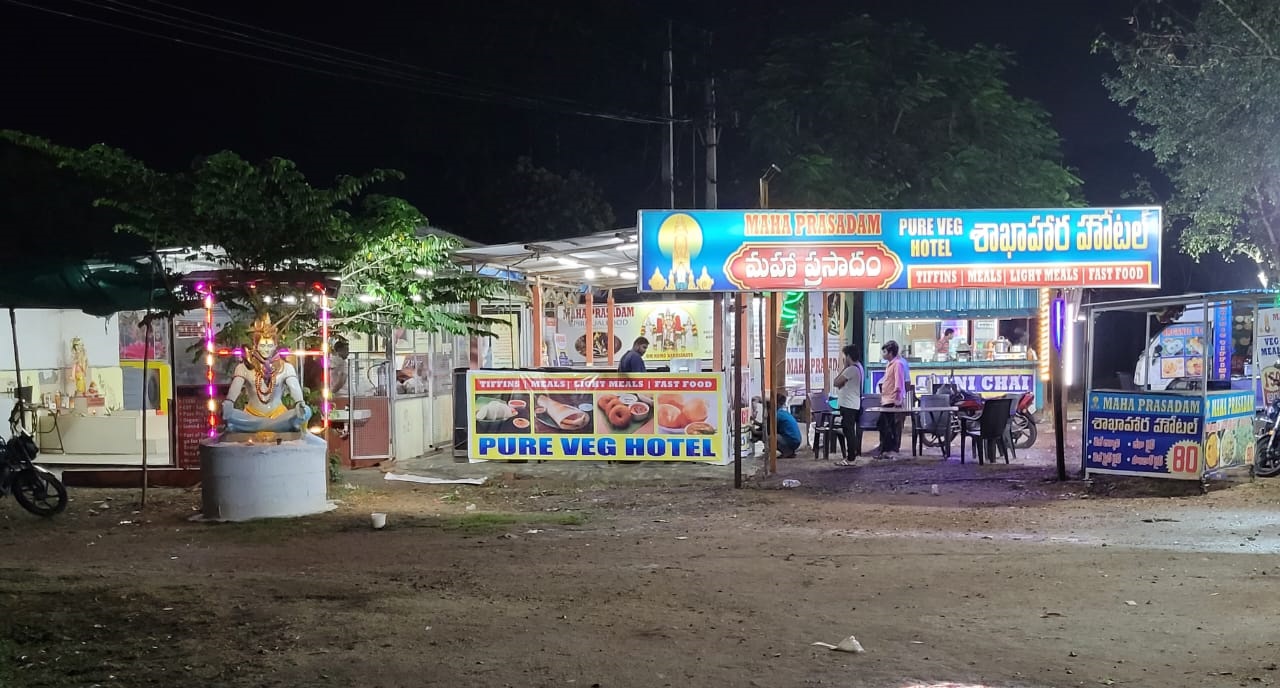
Dosa at Narketpally

Ah, lunch—the real MVP of the day! (And yeah, I see you fixed that sneaky typo from “lunch”

so we’re deep in the post-holiday reset vibe, with everyone chasing balanced, flavorful, feel-good meals that keep you full without the afternoon crash. Current trends lean hard into high-fiber bowls, global-inspired flavors, protein-packed options, and stuff that’s easy to prep or pack (think solo dining friendly, gut-health focused, and a bit of “quiet luxury” on the plate—less chaos, more satisfying bites).

Here are some solid lunch ideas that fit right into what’s hot right now:

  1. Grain/power bowls — These are everywhere. Load up quinoa, farro, or brown rice with roasted veggies, a big protein hit (grilled chicken, salmon, chickpeas, or tofu), avocado, and a killer sauce like tahini, peanut, or chimichurri. Super customizable and meal-prep gold.
  2. High-protein wraps or salads — Think lemon-garlic chicken with veggies, or a Thai-inspired peanut chicken ramen bowl (light version for lunch). Add lots of greens, fermented bits (like quick-pickled veggies), and fiber-rich add-ins to stay satisfied. Global street-food twists — Caribbean curry bowls, elevated smashed burgers (smaller lunch size), or fusion noodle dishes. Spicy + healthy is having a moment. Simple solo-plate vibes — A colorful mix like roasted salmon over Brussels sprouts and quinoa, or a veggie-heavy stir-fry. Presentation matters in 2026—earthy tones, beautiful plating on those trending matte or gradient ceramics.High-protein wraps or salads — Think lemon-garlic chicken with veggies, or a Thai-inspired peanut chicken ramen bowl (light version for lunch). Add lots of greens, fermented bits (like quick-pickled veggies), and fiber-rich add-ins to stay satisfied. Global street-food twists — Caribbean curry bowls, elevated smashed burgers (smaller lunch size), or fusion noodle dishes. Spicy + healthy is having a moment. Simple solo-plate vibes — A colorful mix like roasted salmon over Brussels sprouts and quinoa, or a veggie-heavy stir-fry. Presentation matters in 2026—earthy tones, beautiful plating on those trending matte or gradient ceramics.
  3. something quick and packable for work/school, cozy and warm (it’s still winter vibes), super healthy reset-style, or more indulgent? Got any ingredients on hand or dietary prefs? Spill and I’ll narrow it down!

Lunch at Maha Prasadam @Narketpally

Lunch is far more than just a pause in the middle of the day—it’s a powerful reset that keeps your body, brain, and mood running smoothly through the afternoon and beyond.

Picture this: around midday, after several hours of morning activity, your energy reserves start to dip. Blood sugar levels drop, focus begins to wander, and that familiar afternoon fog creeps in. A good lunch steps in right at that moment as a strategic refuel.

Here are some of the key advantages of making lunch a priority:

  • Sustained energy and stable blood sugar A balanced midday meal replenishes glucose—the brain’s main fuel—preventing sharp energy crashes. This helps you avoid the post-lunch slump (or the infamous “food coma” from overly heavy meals) and maintains steady alertness instead.
  • Sharper focus, better concentration & productivity Studies and workplace research consistently show that people who eat lunch make better decisions, stay more creative, and perform at higher levels in the afternoon. Skipping it often leads to scattered thinking, reduced efficiency, and lower overall output—sometimes by as much as 20–25%.
  • Mood boost and stress reduction Eating lunch helps regulate hormones tied to mood and stress. A satisfying meal can lift your spirits, reduce irritability from low blood sugar, and even improve communication between your gut and brain—turning a stressful day into something more manageable.
  • Keeps your metabolism active Regular eating (including lunch) signals to your body that it’s safe to keep burning energy efficiently. Skipping meals can slow metabolism over time, while a proper lunch helps maintain a healthy rhythm.
  • Better nutrient intake overall Lunch is often your best opportunity to load up on vegetables, lean proteins, whole grains, and healthy fats—nutrients many people under-consume. This supports everything from physical recovery and immune function to long-term health.
  • Mental break & social connection Stepping away to eat (especially with others) gives your mind a real pause. It reduces burnout, strengthens relationships at work or home, and creates a small daily moment of enjoyment and humanity in otherwise packed schedules.

In short, treating lunch as non-negotiable isn’t indulgence—it’s smart investment. A thoughtful midday meal doesn’t just feed your body; it powers sharper thinking, steadier emotions, higher performance, and better overall well-being for the rest of the day.

So next time you’re tempted to power through or grab something quick and empty, remember: a real lunch isn’t a luxury—it’s one of the simplest, most effective ways to upgrade how the rest of your day feels and flows. Enjoy it. Your afternoon self will thank you.

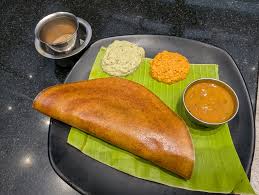
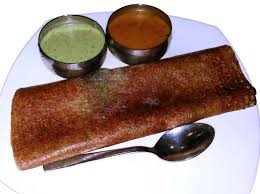
Dosa at Maha Prasadam @Narketpally

The dosa is more than just a beloved South Indian breakfast — it’s a crispy, golden, paper-thin delight that carries centuries of culinary wisdom in every bite. Made from a simple fermented batter of rice and urad dal (black gram), it transforms humble ingredients into something magical: light yet satisfying, elegantly savory, and endlessly versatile.

What makes dosa truly special is the natural fermentation process. Overnight, beneficial bacteria work their magic, creating that signature slightly tangy flavor while dramatically improving its nutritional profile. This ancient technique turns the batter into a probiotic-rich food — a living gift to your gut.

The dosa is more than just a beloved South Indian breakfast — it’s a crispy, golden, paper-thin delight that carries centuries of culinary wisdom in every bite. Made from a simple fermented batter of rice and urad dal (black gram), it transforms humble ingredients into something magical: light yet satisfying, elegantly savory, and endlessly versatile.

What makes dosa truly special is the natural fermentation process. Overnight, beneficial bacteria work their magic, creating that signature slightly tangy flavor while dramatically improving its nutritional profile. This ancient technique turns the batter into a probiotic-rich food — a living gift to your gut.

Here are some of the standout advantages of enjoying dosa regularly:

  • Excellent for gut health — The probiotics produced during fermentation promote a balanced microbiome, improve digestion, reduce bloating, and strengthen overall immunity. It’s nature’s way of supporting your “second brain” (your gut).
  • Easier to digest than plain rice or wheat-based dishes — Fermentation breaks down complex carbs and phytic acid, making nutrients more bioavailable and gentler on the stomach — ideal for sensitive digestion or as a light yet energizing meal.
  • Good source of plant-based protein — Thanks to urad dal, a plain dosa provides a decent amount of protein (around 3–4 g per piece), and it becomes even more complete when paired with sambar (lentil-based) or chutneys.
  • Relatively low in fat and heart-friendly — When prepared with minimal oil (or even on a non-stick pan), it remains low in saturated fat and cholesterol compared to many Western breakfast options like buttered toast, croissants, or fried foods.
  • Provides sustained energy without wild blood sugar spikes — Traditional fermented dosa has a moderate-to-lower glycemic index than plain white rice or bread (especially when made with parboiled rice or millets). It delivers steady carbohydrates for brain function and physical activity.
  • Naturally gluten-free — Perfect for anyone avoiding gluten, yet still offers satisfying texture and flavor.
  • Highly customizable and nutrient-boostable — You can make ragi (finger millet) dosa for extra calcium & iron, oats dosa for more fiber, quinoa dosa for complete protein, or vegetable-stuffed versions to increase vitamins, minerals, and antioxidants.

A classic plain or masala dosa, served with coconut chutney and sambar, becomes a complete, balanced meal: carbs for energy, protein for repair, probiotics for the gut, and micronutrients from the accompaniments.

In a world full of ultra-processed breakfast choices, dosa stands out as an ancient superfood disguised as comfort food — light on the body, kind to the planet (low resource footprint), and deeply satisfying for the soul.

So next time that warm, crisp dosa arrives at your table, remember: you’re not just eating — you’re nourishing yourself with one of the world’s most intelligent traditional foods.

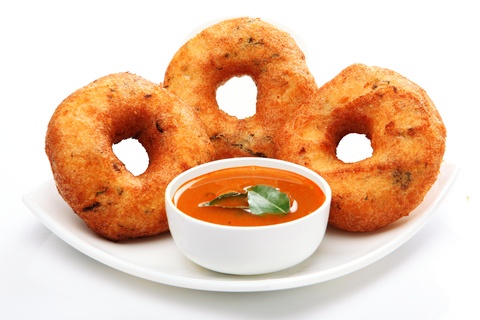
Vada at Maha Prasadam @Narketpally

Vada — especially the iconic Medu Vada (also called Garelu, Uzhunnu Vada, or Ulundhu Vadai) — is a beloved South Indian classic that’s crispy on the outside, wonderfully soft and fluffy inside, and shaped like a savory doughnut with that signature hole in the center.

Made primarily from soaked and ground urad dal (split black gram/lentils), blended with minimal spices like ginger, green chilies, curry leaves, black pepper, and sometimes cumin or asafoetida, the batter is shaped and deep-fried to golden perfection. The result? That irresistible contrast of crunchy exterior and pillowy, melt-in-your-mouth interior.

It’s almost always served hot alongside steaming sambar (a tangy lentil-vegetable stew) and creamy coconut chutney — sometimes with a side of tomato chutney or even yogurt for dahi Vada. In many Telugu, Tamil, Kannada, and Malayali homes and tiffin centers, a plate of idli-Vada-sambar-chutney is the ultimate breakfast or anytime comfort combo.

Protein powerhouse — Urad dal is a fantastic plant-based protein source (around 6–7g per serving), making vada more satiating and muscle-supporting than many fried snacks. It’s especially great for vegetarians looking for hearty, nutrient-dense options. Gut-friendly fermentation — The traditional soaking and grinding process (often with a bit of fermentation) boosts probiotics, improves digestibility, enhances nutrient absorption, and supports gut health — turning a simple fritter into something nourishing for your microbiome. Rich in essential minerals — Packed with iron (helps fight fatigue and anemia), magnesium, potassium, calcium, folic acid, and B vitamins — all naturally present in black gram. These support energy, bone health, blood health, and overall vitality. High satiety & fiber — The combo of protein + fiber keeps you full longer, curbs unnecessary snacking, and aids smooth digestion (many find it easier on the stomach than heavier fried foods when paired right). Balances doshas in Ayurveda — Traditionally seen as energizing (balya), nutritive (brimhana), strength-building, and appetite-enhancing. It balances Vata while providing grounding nourishment — best enjoyed warm with suitable sides to offset its heaviness. Versatile & customizable — Enjoy it plain, soaked in sambar/yogurt, or even in modern twists. It’s naturally gluten-free and vegan (no animal products in the base vada). Cultural comfort food — Beyond nutrition, vada brings that soul-satisfying feel — perfect for rainy days, family breakfasts, or temple prasadam vibes. It’s affordable, quick to whip up in batches, and loved across generations.

Bite into a hot, crispy medu vada dipped in spicy sambar and cool coconut chutney — it’s pure bliss in every crunchy, fluffy, flavorful bite. Whether you’re craving a traditional South Indian tiffin or just something hearty and homemade, vada delivers big on taste and goodness

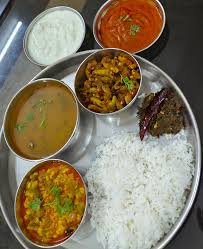
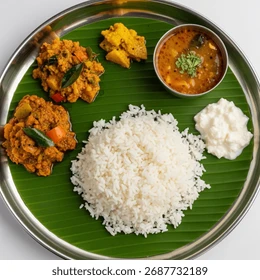
Lunch at Maha Prasadam @Narketpally

A delicious, nourishing vegetarian lunch is one of the simplest yet most powerful ways to recharge your body and mind in the middle of the day. Imagine a colorful thali or bowl filled with steaming rice or soft whole-wheat chapati, golden dal tadka bubbling with aromatic tempering, a generous portion of seasonal sabzi , a cooling cucumber raita, and perhaps a small side of tangy pickle or fresh salad. The aromas of cumin, turmeric, coriander, and ginger waft through the air, turning an ordinary midday meal into something truly comforting and satisfying.

What makes a well-balanced veg lunch so special goes far beyond taste—it’s packed with real, science-backed advantages that support your health in meaningful ways.

Here are some of the key benefits of choosing a vegetarian lunch regularly:

  • Gentler on your heart — Plant-based meals are naturally low in saturated fats and cholesterol. Ingredients like lentils, beans, vegetables, and whole grains help keep cholesterol levels in check and reduce the risk of heart disease and high blood pressure.
  • Steady energy without the slump — Unlike heavy, meat-based lunches that can leave you feeling sluggish, a veg lunch rich in complex carbohydrates (rice, millets, chapati), fiber, and plant proteins provides sustained, crash-free energy throughout the afternoon—perfect for staying focused and productive.
  • Better digestion and gut health — The high fiber content from vegetables, dals, and whole grains promotes smooth digestion, prevents constipation, and feeds your gut microbiome for better overall immunity and well-being.
  • Supports healthy weight management — Vegetarian lunches tend to be nutrient-dense yet lower in calories compared to many non-veg options. The fiber keeps you fuller longer, helping control cravings and overeating.
  • Rich in protective nutrients and antioxidants — Every spoonful delivers vitamins (C, E, folate), minerals (potassium, magnesium, iron), and powerful phytochemicals from colorful veggies, spices like turmeric (with its anti-inflammatory curcumin), and legumes. These compounds help fight inflammation, support immunity, and may lower the long-term risk of chronic conditions like type 2 diabetes and certain cancers.
  • Lighter on the planet — Choosing veg at lunch reduces your environmental footprint—plant-based foods generally require far less water, land, and produce fewer greenhouse gas emissions than animal-based alternatives.
  • Easier on your wallet and routine — Many classic Indian veg ingredients (dal, seasonal sabzi, rice) are affordable, widely available, and quick to prepare or pack—making healthy eating practical even on busy days.

A thoughtful vegetarian lunch isn’t about restriction—it’s about abundance: abundance of flavor, color, texture, and nourishment. Whether it’s a simple home-cooked dal-chawal-sabzi or a restaurant-style paneer tikka masala with naan and salad, embracing veg lunch regularly is one of the kindest things you can do for your body, energy levels, and long-term health.

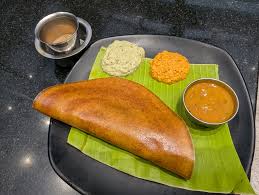
Dosa at Maha Prasadam @ Narketpally

Dosa, the iconic South Indian crepe, is a breakfast legend and one of the most loved dishes across India and beyond—especially here in Hyderabad, where you can find crispy, golden versions at every street corner, darshini, or fine restaurant. Made from a fermented batter of rice and urad dal (black gram), it’s spread thin on a hot tawa, cooked to perfection with a light brush of oil or ghee, and served rolled or folded with coconut chutney, tomato chutney, sambar, and sometimes a spicy podi or potato masala filling. The contrast is irresistible: ultra-crispy edges, soft and airy center, mildly tangy flavor from fermentation, and endless varieties like plain, masala, Mysore, rava, onion, or even millet-based healthier twists. Whether it’s a quick morning fix, a weekend family brunch, or a late-night craving, dosa never disappoints—it’s comforting, flavorful, and surprisingly wholesome.

please give a very good text about gunta ponganaluand describing the advantages of having it

  • Naturally fermented for superior digestion — The overnight fermentation develops natural probiotics (beneficial bacteria) and enzymes that make the batter easier to digest, reduce bloating, support gut health, and improve nutrient absorption. Even though high heat kills live probiotics during cooking, the pre-fermentation breaks down anti-nutrients like phytic acid, boosting bioavailability of iron, calcium, and other minerals.
  • Balanced complete protein source — The combo of rice (carbs) and urad dal (protein) provides all essential amino acids when eaten together—ideal for vegetarians. A typical serving delivers good plant-based protein to support muscle repair, energy, and fullness.
  • Low in fat and calories when prepared traditionally — Plain or lightly brushed dosas use minimal oil compared to deep-fried snacks, keeping them heart-friendly and lighter (around 150–250 kcal per dosa depending on size and toppings), making them great for weight management.
  • Gluten-free by nature — No wheat means it’s safe and enjoyable for those with gluten sensitivity or celiac disease.
  • Moderate glycemic impact for better blood sugar control — Fermentation lowers the glycemic index compared to plain rice or white bread, helping maintain steadier energy levels—especially helpful when made with millets, ragi, or oats for an even gentler effect.
  • Rich in essential nutrients — Packed with B vitamins (for energy and nerve health), iron (to fight anemia), magnesium (for muscle relaxation), and fiber from lentils—plus you can boost it further with vegetable fillings or nutrient-dense sides like sambar (lentils + veggies).
  • Highly versatile and customizable — Stuff it with mashed potatoes, paneer, veggies, or go super healthy with quinoa/millet batter. Pairing with protein-rich sambar or chutney turns it into a complete, satisfying meal any time of day.

In essence, dosa isn’t just delicious—it’s a traditional superfood that blends taste, convenience, and genuine health perks. In a city like Hyderabad where dosa culture thrives, it’s the perfect go-to for a nourishing start (or restart) to your day. Whip up a batch at home or grab one from your favorite spot soon—you’ll taste why it’s been winning hearts for generations.

..

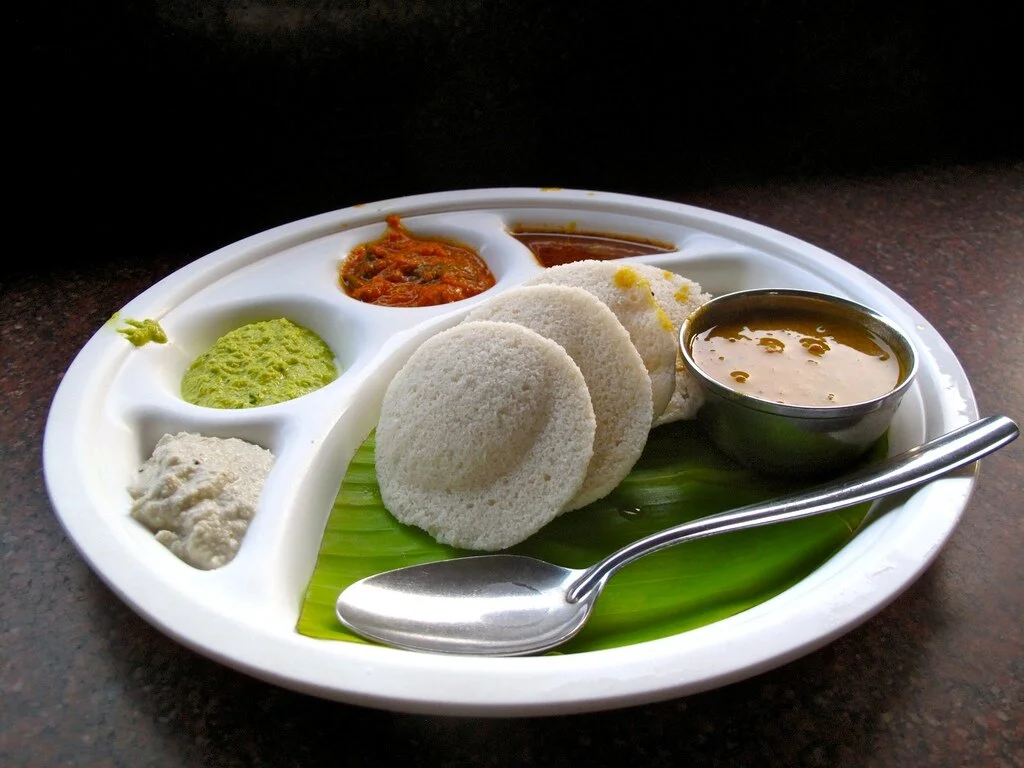
Idly at Maha Prasadam at Narketpally

Idli is more than just a beloved South Indian breakfast—it’s a soft, pillowy, steamed delight that has captured hearts (and stomachs) across India and beyond for centuries. These fluffy, spongy rice cakes, made from a perfectly fermented batter of parboiled rice and urad dal (black gram), emerge from the steamer as light little clouds of comfort. When served hot with golden sambar, creamy coconut chutney, or a drizzle of ghee and podi, idli transforms a simple morning into something truly soul-satisfying.

What makes idli truly special isn’t just its melt-in-the-mouth texture or mild, slightly tangy flavor from natural fermentation—it’s how incredibly nourishing and gentle it is for the body.

  • Super easy to digest — The long fermentation process pre-digests the starches and proteins, breaking them down so your stomach barely has to work. This makes idli an ideal choice for kids, elders, people recovering from illness, or anyone with a sensitive gut.
  • Gut-friendly probiotic boost — That signature slight sourness comes from beneficial lactic acid bacteria (like lactobacilli) produced during fermentation. These natural probiotics support a healthy gut microbiome, strengthen immunity, improve nutrient absorption, and promote better overall digestion.
  • Low in calories, naturally low-fat — A single medium idli has roughly 35–60 calories with almost no added oil or fat (since it’s steamed, not fried). It’s a guilt-free option that helps with weight management without leaving you hungry.
  • Balanced energy that lasts — The complex carbohydrates from rice provide steady, sustained energy rather than sharp spikes, making it excellent for keeping you active and focused through the morning (or any time of day).
  • Gluten-free and vegan by nature — Made purely from rice and lentils with no wheat or animal products, idli is safe and welcoming for people with gluten intolerance, celiac disease, or plant-based diets.
  • Moderate glycemic impact — Thanks to fermentation and the protein-fiber combo from urad dal, idli has a reasonably balanced glycemic response—much friendlier for blood sugar control than many refined-carb breakfasts.
  • Nutrient enhancement through fermentation — The process increases B vitamins (like B-complex for energy metabolism), improves mineral bioavailability (iron, calcium, magnesium), and adds a small but meaningful protein contribution from the dal.

Whether enjoyed plain, dunked in spicy sambar, or paired with mint-coriander chutney, idli remains one of the most intelligent, time-tested foods in Indian cuisine—simple ingredients turned into something profoundly good for both body and soul.