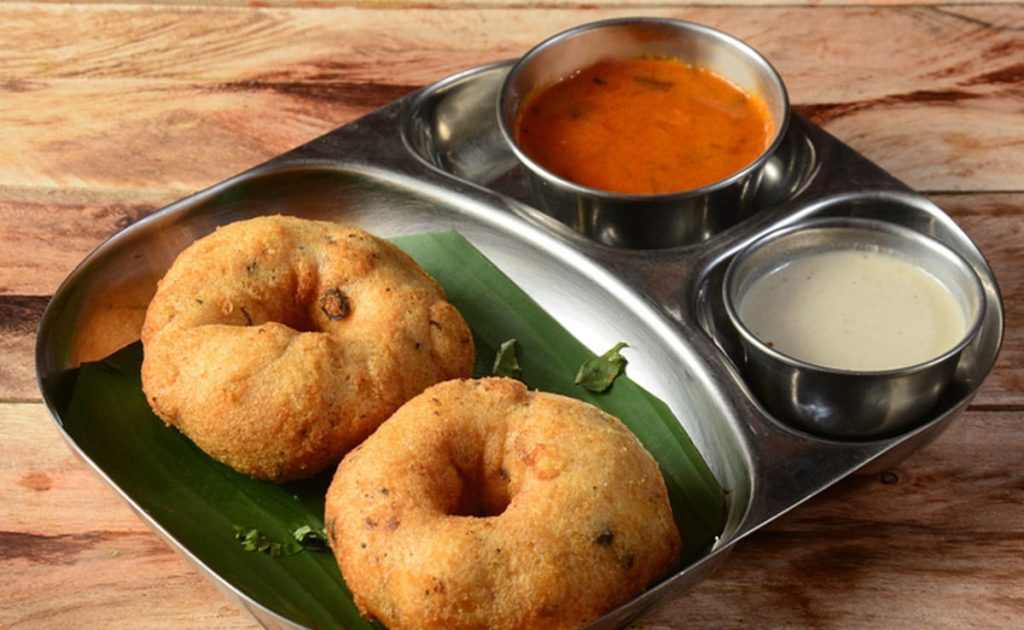
Vada (also called Medu Vada, Ulundhu Vadai, Uddina Vade, or Garelu) is a popular South Indian savory snack or breakfast item. It looks like a crispy doughnut with a hole in the middle and is made primarily from urad dal (black gram lentils).
The batter is soaked, ground (often with spices like green chilies, ginger, curry leaves, cumin, and black pepper), fermented slightly, shaped, and deep-fried until golden and crunchy outside but soft inside. It is typically served hot with sambar, coconut chutney, or sometimes in variants like dahi vada (soaked in spiced yogurt).
Main Types of Vada
- Medu Vada — The classic soft, fluffy South Indian version from urad dal (most common in Tamil Nadu, Karnataka, Andhra, Telangana, etc.).
- Masala Vada or Dal Vada — Made with chana dal or mixed lentils, spicier and flatter.
- Batata Vada — Potato-based, famous in Maharashtra (often in Vada Pav with a bun).
- Others include sabudana vada, keerai vada (with spinach), etc.
The query most likely refers to the classic Medu Vada.
Nutritional Profile (Approximate per one medium Medu Vada, ~60-70g)
- Calories: 100–190 kcal (varies with size and oil absorption).
- Protein: 4–6g (good plant-based source from urad dal).
- Carbs: 9–18g.
- Fat: 7–11g (mostly from frying oil).
- Fiber: 2–5g.
- Other nutrients: Iron (~1.8mg), folate, B-vitamins, calcium, magnesium, potassium.
Advantages / Health Benefits of Medu Vada
Medu Vada gets many of its benefits from urad dal and the fermentation process:
- Plant-based protein — Helps with muscle repair, satiety (keeps you full longer), and provides steady energy. Good vegetarian option.
- Digestive support — Fermentation creates probiotics that benefit gut health. Fiber aids bowel movement and regularity.
- Rich in minerals — Iron helps prevent anemia and supports oxygen transport. Magnesium, potassium, and calcium support bones, nerves, immunity, and heart health.
- B-vitamins and folate — Aid energy metabolism, nervous system, and cell growth (beneficial for pregnant women and kids).
- Lower glycemic impact than rice-based items — Dal has a lower GI than rice; the fat from frying can further moderate blood sugar spikes when eaten with sambar (better than plain idli for some people in terms of sugar response).
- Traditional Ayurvedic view — Considered balancing for Vata, nourishing, energizing, and supportive of strength and virility when prepared properly and eaten with suitable sides.
- Satisfying comfort food — Crispy texture and spices make it flavorful and filling as a breakfast or snack.
When paired with sambar (lentils + vegetables + spices) and chutney, it becomes a more balanced meal with added antioxidants and veggies.
Tip for healthier version: Use less oil, air-fry or bake instead of deep-frying, or make it in an appe pan (minimal oil) to cut calories significantly (up to 60-80% less fat).
Disadvantages / Things to Watch
- High in calories and fat due to deep-frying — One vada can absorb a lot of oil, making it calorie-dense. Daily or excessive consumption may contribute to weight gain.
- Not ideal for frequent eating if you have high cholesterol, heart concerns, or are on a strict weight-loss plan (reused frying oil can form trans fats or harmful compounds).
- Can feel heavy on digestion if overeaten or if the batter isn’t well-fermented.
- Compared to steamed items like idli, it has more fat and calories.
Moderation is key — Enjoy 1–2 vadas occasionally (e.g., once or twice a week) as part of a balanced meal rather than daily. People with diabetes or weight goals often prefer idli over vada or limit portions.
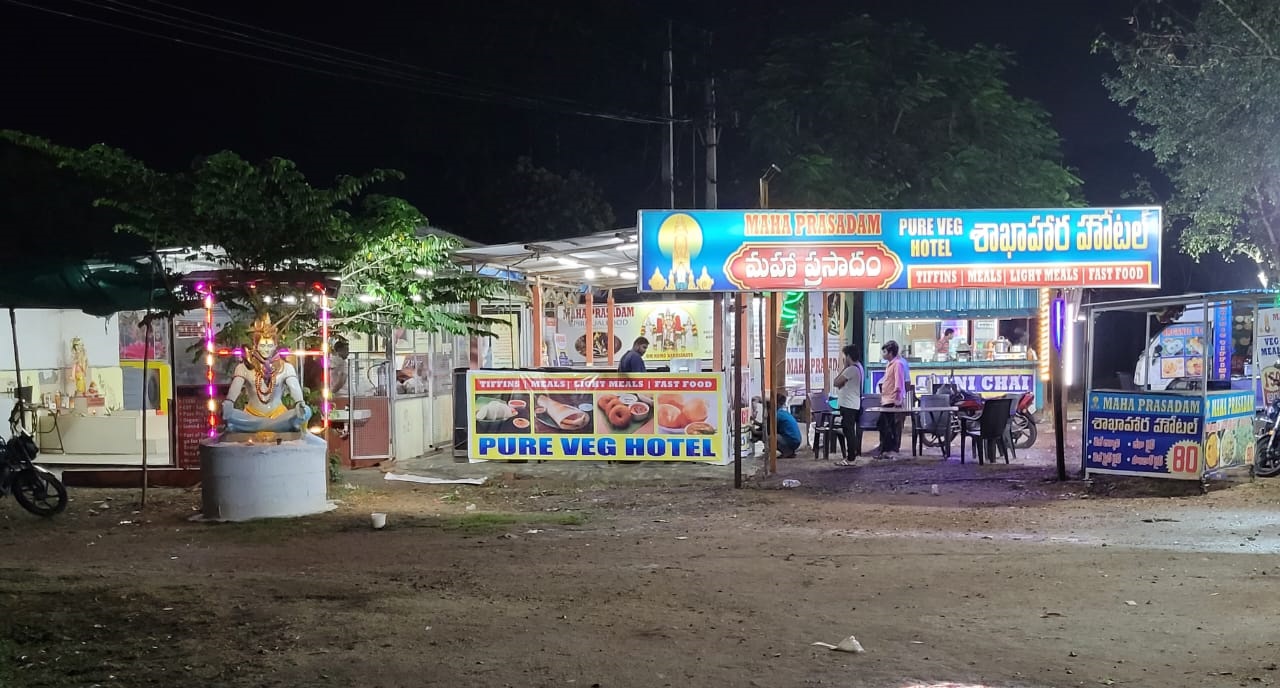
In Hyderabad (your area), you’ll find excellent Medu Vada with sambar at South Indian restaurants, tiffin centers, or even street spots — often as part of an idli-vada combo.